Why This Simple Routine Fixed My Sleep—And Could Change Yours
I used to toss and turn for hours, dreading bedtime. No matter what I tried—herbal tea, meditation, blackout curtains—nothing worked. Then I discovered the real culprit: my movement (or lack of it) during the day. After testing different exercise patterns for months, I found a game-changing rhythm that finally improved my sleep quality. This isn’t about intense workouts. It’s about smart, science-backed movement timed right. If you’re tired of counting sheep, this deep dive might be the wake-up call your body needs.
The Hidden Link Between Movement and Sleep
For years, many people believed that physical exhaustion automatically leads to better sleep. The logic seemed sound: burn more energy during the day, and your body will naturally demand rest at night. However, modern sleep science reveals a more nuanced relationship between movement and rest. It's not just about how much you move—it's about when, how, and why you move. Physical activity influences multiple biological systems that regulate sleep, including core body temperature, stress hormone levels, and the body’s internal clock, known as the circadian rhythm.
One of the most powerful ways exercise supports sleep is through its effect on body temperature. When you engage in physical activity, your core temperature rises. As your body cools down in the hours afterward—particularly in the evening—this drop signals the brain to release melatonin, the hormone that prepares the body for sleep. This natural cooling process mirrors the body’s typical nightly temperature dip, reinforcing the sleep-wake cycle. Timing this temperature shift correctly can make the difference between falling asleep easily and lying awake for hours.
Equally important is the role of movement in managing stress. Chronic stress elevates cortisol, a hormone that promotes alertness and can interfere with both falling and staying asleep. Regular physical activity helps regulate cortisol levels, especially when practiced consistently. It also boosts the production of endorphins and other mood-stabilizing neurotransmitters, which can reduce anxiety and quiet a racing mind at bedtime. But here’s the catch: too much intensity, especially late in the day, can have the opposite effect, spiking stress hormones and making sleep harder to achieve.
Another common misconception is that any form of movement will help. While staying active is beneficial, the type of exercise matters. For example, low-to-moderate aerobic activities like walking or cycling tend to support sleep more reliably than high-intensity interval training (HIIT) or heavy weightlifting, especially if done close to bedtime. Overtraining or pushing the body too hard without adequate recovery can disrupt sleep patterns, leading to increased wakefulness and reduced deep sleep. Therefore, the goal is not to exhaust the body, but to align movement with the body’s natural rhythms for optimal rest.
My Sleep Struggles: From Frustration to Discovery
Like many women juggling family, work, and personal responsibilities, sleep became the first thing I sacrificed. I’d stay up late finishing chores, only to wake early for my children, convinced that fatigue was just part of adult life. I tried everything—chamomile tea, lavender sprays, sleep apps, even expensive mattresses. I downloaded meditation guides and practiced breathing exercises, hoping to quiet my mind. Some nights offered slight improvement, but most ended with me staring at the ceiling, watching the minutes tick by on my phone.
The frustration built slowly, then all at once. I felt irritable during the day, struggled to focus, and noticed my patience with my family wearing thin. I wasn’t just tired—I was emotionally drained. My energy would crash in the mid-afternoon, and I’d reach for sugary snacks or another cup of coffee, creating a cycle that only worsened my sleep. I began to dread bedtime, not because I didn’t want to rest, but because I knew I probably wouldn’t be able to.
The turning point came during a routine check-up. My doctor didn’t prescribe medication. Instead, she asked about my daily routine. When I mentioned that I spent most of my day sitting—driving kids to activities, working at a desk, folding laundry while watching TV—she gently pointed out that my body might not be getting the movement signals it needed to initiate sleep. She explained that physical activity isn’t just about fitness or weight; it’s a key regulator of sleep. That conversation shifted my perspective. I wasn’t lazy or broken—I was out of sync.
I began researching the connection between exercise and sleep, and what I found surprised me. Studies consistently showed that moderate physical activity, even without weight loss or intense training, could significantly improve sleep quality. I decided to experiment—not with drastic changes, but with small, intentional movements woven into my day. The results didn’t happen overnight, but within weeks, I noticed subtle shifts. I felt calmer in the evenings. My mind wasn’t as restless. And most importantly, I started falling asleep faster. That sense of hope—after years of feeling defeated—was more powerful than any pill or gadget.
The Science of Exercise and Sleep Quality
Scientific research has increasingly confirmed what many people anecdotally report: regular physical activity improves sleep. Multiple studies, including those published in the journal Sleep Medicine Reviews and the British Journal of Sports Medicine, have demonstrated that individuals who engage in consistent moderate exercise experience shorter sleep onset latency (the time it takes to fall asleep), increased duration of deep sleep, and fewer nighttime awakenings. These benefits are not limited to athletes or fitness enthusiasts—they are accessible to anyone who incorporates movement into their daily life.
One of the most significant findings is the effect of aerobic exercise on slow-wave sleep, also known as deep sleep. This stage is crucial for physical recovery, immune function, and memory consolidation. Research shows that moderate-intensity aerobic activities, such as brisk walking or cycling, can increase the amount of time spent in this restorative phase. In one controlled study, participants who walked for 30 minutes a day, five days a week, saw a 20% increase in deep sleep duration after just six weeks. These changes occurred without any other lifestyle modifications, highlighting the powerful role of movement alone.
Resistance training also plays a valuable role. While often associated with muscle building, strength exercises have been shown to improve sleep efficiency—the percentage of time in bed actually spent sleeping. A 2020 meta-analysis found that adults who engaged in regular strength training reported better sleep quality and reduced symptoms of insomnia. The mechanism may involve both physical fatigue and the regulation of hormones like growth hormone and testosterone, which are released during and after resistance exercise and support restorative processes.
Low-intensity activities, such as yoga and stretching, contribute through different pathways. These practices activate the parasympathetic nervous system, often referred to as the “rest and digest” system, which counteracts the stress-driven “fight or flight” response. Gentle movement in the evening can signal to the body that it’s time to wind down. Studies have shown that participants who practiced yoga regularly fell asleep faster and reported feeling more refreshed in the morning. The combination of breath control, mindfulness, and physical release creates a holistic effect that supports both mental and physical readiness for sleep.
It’s important to emphasize that consistency matters more than intensity. While vigorous workouts have their place, they are not required to see sleep benefits. In fact, for many people—especially those already experiencing sleep difficulties—moderate, sustainable activity is more effective and less likely to cause disruption. The key is regularity: engaging in movement most days of the week, even in small doses, creates a cumulative effect that stabilizes the sleep-wake cycle over time.
Best Types of Exercise for Better Sleep
Not all forms of exercise affect sleep in the same way. Choosing the right type of movement depends on your schedule, energy levels, and personal preferences. The good news is that there are several effective, accessible options that don’t require a gym membership or specialized equipment. The goal is to find activities that feel enjoyable and sustainable, increasing the likelihood that you’ll stick with them long-term.
Brisk walking is one of the most underrated yet powerful tools for improving sleep. It’s low-impact, easy to integrate into daily life, and highly effective at regulating circadian rhythms. A 20- to 30-minute walk in the morning or early afternoon can help set your internal clock by exposing you to natural light and increasing physical activity at a time when your body is primed for alertness. Walking after dinner, at a gentler pace, can also support digestion and signal a transition from activity to rest. Many women find that a daily walk becomes not just a health habit, but a cherished moment of solitude and reflection.
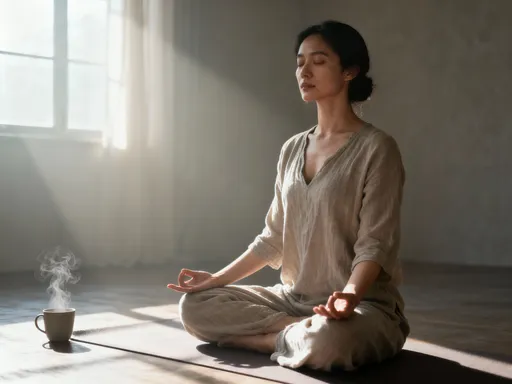
Yoga is another excellent choice, particularly for those who struggle with stress-related insomnia. Styles such as Hatha, Restorative, or Yin yoga emphasize slow movements, deep breathing, and mindfulness, all of which calm the nervous system. Practicing a short sequence in the evening—focusing on gentle forward bends, hip openers, and seated twists—can release physical tension and quiet mental chatter. Even 15 minutes of intentional stretching before bed can make a noticeable difference in sleep onset and quality.
Strength training, often overlooked by women who prioritize cardio, offers unique benefits. Building muscle increases metabolic rate and improves insulin sensitivity, both of which support overall health and energy balance. More importantly, resistance exercises done earlier in the day can contribute to physical tiredness without overstimulation. Bodyweight routines, resistance bands, or light dumbbells make it easy to practice at home. A 20-minute session three times a week can enhance sleep efficiency and reduce nighttime awakenings, especially when combined with proper recovery and hydration.
Cycling, whether outdoors or on a stationary bike, provides a cardiovascular workout that’s easier on the joints than running. It’s particularly effective when done in natural settings, where exposure to green space and fresh air amplifies the stress-reducing effects. A moderate ride in the afternoon can help burn off excess energy and regulate mood, setting the stage for a calmer evening. For those with limited time, even short bursts of activity—such as a 10-minute ride in the morning and another in the late afternoon—can contribute to better sleep over time.
When to Move: Timing Matters More Than You Think
The timing of physical activity is a critical but often overlooked factor in sleep improvement. Your body responds differently to movement depending on the time of day, influenced by circadian rhythms, hormone fluctuations, and energy availability. Understanding these patterns allows you to align your activity with your body’s natural peaks and valleys, maximizing benefits while minimizing disruption.
Morning exercise, particularly in natural light, is one of the most effective ways to anchor your circadian rhythm. Exposure to sunlight in the early hours helps suppress melatonin and signals to your brain that it’s time to be awake. Adding physical activity during this window amplifies the effect, increasing alertness and setting a strong foundation for the day. A morning walk, light stretching, or a short strength routine can boost energy without overstimulating the system. This early movement also primes the body for a more pronounced temperature drop at night, enhancing sleep drive.
Afternoon is often the optimal time for moderate to vigorous exercise. Body temperature and muscle strength typically peak between 2 p.m. and 6 p.m., making this window ideal for activities like brisk walking, cycling, or resistance training. Performance tends to be higher, injury risk lower, and the post-exercise cooldown aligns well with the natural decline in alertness that begins in the evening. An afternoon workout can also help manage stress accumulated during the day, preventing it from interfering with sleep.
Evening movement requires more caution. While light activity such as gentle yoga, stretching, or a leisurely walk can support relaxation, high-intensity exercise within two to three hours of bedtime may hinder sleep for some individuals. Vigorous workouts elevate heart rate, core temperature, and adrenaline levels, which can delay sleep onset. However, responses vary—some people find that an evening workout helps them release tension and sleep better. The key is self-awareness. If you choose to exercise later in the day, focus on low-impact, calming movements and allow at least 60 to 90 minutes for your body to return to a resting state before bed.
A sample daily schedule might include a 15-minute morning stretch with sunlight exposure, a 30-minute walk during lunch, and a 20-minute yoga session before bed. This layered approach ensures consistent movement without overexertion. The goal is not to fill every hour with activity, but to create a rhythm that supports both daytime energy and nighttime rest.
Creating Your Personal Sleep-Boosting Routine
Building a sustainable movement routine doesn’t require a complete lifestyle overhaul. The most effective plans are personalized, flexible, and built on small, consistent actions. Start by assessing your current habits: when are you most active? When do you feel most tired? What types of movement do you enjoy, or at least don’t dread? Honest self-reflection helps identify realistic starting points and prevents burnout.
Next, choose one or two activities that fit your schedule and preferences. If you’re new to exercise, begin with just 10 to 15 minutes a day. A short walk after dinner, a few minutes of stretching before bed, or a brief morning routine can be enough to initiate positive changes. The key is consistency, not duration. As your body adapts, gradually increase the time or intensity, but always listen to your body’s signals. Soreness is normal; pain is not. Fatigue is expected; exhaustion is a warning sign.
Tracking your progress can provide motivation and insight. Keep a simple journal noting your daily activity, energy levels, mood, and sleep quality. Over time, patterns will emerge—perhaps you sleep better after morning walks, or feel calmer when you include evening stretching. These observations help refine your routine and reinforce the connection between movement and rest. Apps or wearable devices can supplement this, but they’re not necessary. Sometimes, the most powerful data comes from how you feel.
Remember, this is not about perfection. There will be days when life gets in the way. The goal is progress, not consistency at all costs. Even on busy days, a five-minute stretch or a few laps around the house can maintain momentum. What matters most is the intention to move your body regularly, not the specifics of how or when. Over time, this small commitment can lead to significant improvements in sleep, energy, and overall well-being.
Beyond the Workout: Habits That Multiply Results
While physical activity is a powerful sleep enhancer, it works best as part of a broader, holistic approach. Movement amplifies the benefits of other healthy habits, creating a synergistic effect that supports deeper, more restorative rest. Hydration is one such factor. Drinking enough water throughout the day helps regulate body temperature and supports cellular function, both of which influence sleep. However, it’s wise to reduce fluid intake in the hour before bed to minimize nighttime awakenings for bathroom trips.
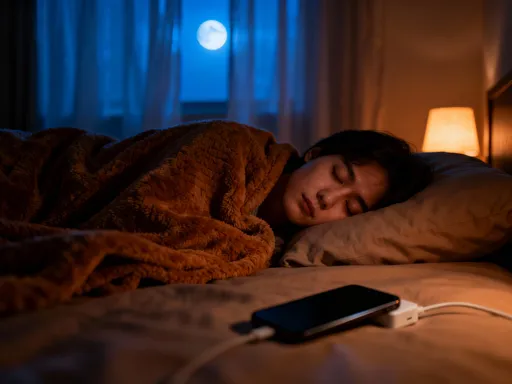
Screen time management is another critical component. The blue light emitted by phones, tablets, and computers suppresses melatonin production, making it harder to fall asleep. Pairing evening movement with a digital wind-down routine—such as turning off screens an hour before bed, reading a book, or practicing gratitude—can significantly improve sleep onset. The combination of physical relaxation and mental disengagement creates a powerful pre-sleep signal.
Consistency in sleep and wake times, even on weekends, strengthens circadian alignment. Going to bed and waking up at roughly the same time every day helps regulate your internal clock, making it easier to fall asleep and wake up naturally. When paired with regular movement, this consistency reinforces the body’s expectation of when to be active and when to rest.
Finally, nutrition plays a supporting role. While no single food guarantees better sleep, a balanced diet rich in whole grains, lean proteins, healthy fats, and vegetables supports stable energy and hormone regulation. Avoiding large meals, caffeine, and alcohol close to bedtime prevents digestive discomfort and sleep disruptions. Movement enhances digestion and metabolism, making it easier for the body to process food efficiently and avoid nighttime disturbances.
The takeaway is clear: no single habit works in isolation. Exercise is a catalyst, but its full potential is realized when combined with other evidence-based practices. Small, intentional choices—like a walk in the sun, a stretch before bed, or a screen-free evening—compound over time, leading to lasting improvements in sleep quality and overall health.