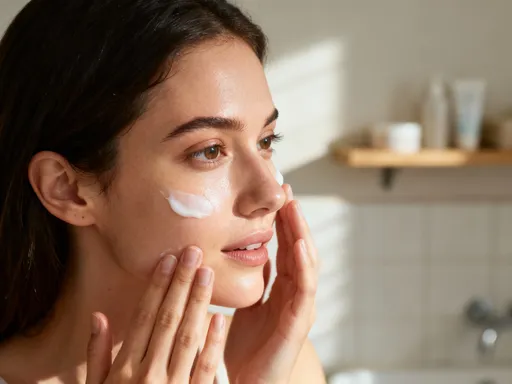
Glowing Skin Starts Here: My Real Skincare Journey Unfiltered
You know that fresh, healthy glow everyone chases? I finally found mine—not overnight, but through real, everyday choices. This isn’t about magic creams or quick fixes. It’s about understanding your skin’s needs, listening to your body, and making small, lasting changes. I’ve tested routines, made mistakes, and learned what actually works. Let me share the simple, science-backed habits that transformed my skin from dull to radiant—naturally.
The Skin-Health Connection: Why Skincare Is More Than Surface Level
Skin is not just a covering; it is the body’s largest organ and a reflection of internal health. Many people treat skin concerns like acne, dryness, or redness as isolated issues to be fixed with topical products. However, true skin wellness begins far beneath the surface. The appearance of the skin often signals what is happening inside—whether it’s chronic dehydration, digestive imbalances, or systemic inflammation. When breakouts persist despite careful cleansing, or when irritation flares without clear cause, it may be time to look beyond the mirror and consider the body’s internal environment.
The skin renews itself approximately every 28 days, a process known as cellular turnover. During this cycle, new skin cells form in the lower layers, gradually rise to the surface, and eventually shed. This natural exfoliation keeps the complexion smooth and bright. However, factors such as poor nutrition, hormonal fluctuations, or inadequate sleep can slow this process, leading to a buildup of dead cells and a dull, uneven texture. Additionally, the skin’s barrier—its outermost protective layer—plays a crucial role in retaining moisture and defending against irritants. When this barrier is compromised, whether by harsh products or internal stress, the skin becomes more vulnerable to sensitivity, dryness, and environmental damage.
One of the most significant internal influences on skin health is gut function. Research has increasingly supported the gut-skin axis, a bidirectional relationship in which the balance of microorganisms in the digestive tract affects inflammatory responses throughout the body, including the skin. For example, an overgrowth of certain bacteria or yeast in the gut may contribute to systemic inflammation, which can manifest as acne, rosacea, or eczema. Similarly, poor nutrient absorption due to digestive issues can deprive the skin of essential vitamins and fatty acids needed for repair and resilience. Addressing gut health through a balanced diet rich in fiber, fermented foods, and prebiotics can support clearer, calmer skin over time.
Inflammation is another key player. Chronic, low-grade inflammation—often driven by lifestyle factors such as stress, lack of sleep, or a diet high in processed foods—can accelerate skin aging and worsen conditions like psoriasis or dermatitis. Inflammatory markers in the blood have been linked to increased sebum production and clogged pores, both of which contribute to breakouts. Therefore, reducing inflammation through mindful eating, regular movement, and stress management is not just beneficial for overall health but directly impacts how the skin looks and feels. Viewing skincare as part of a holistic wellness practice, rather than a cosmetic ritual, allows for more effective and sustainable results.
Cleansing Misconceptions: What We Get Wrong About Washing Our Faces
Cleansing is often the first step in any skincare routine, yet it is one of the most commonly misunderstood. Many believe that a good cleanse should leave the skin feeling tight or squeaky clean. In reality, that sensation is a sign of over-stripping—a disruption of the skin’s natural lipid barrier. The goal of cleansing is not to remove every trace of oil but to gently eliminate dirt, sweat, sunscreen, and pollutants without compromising the skin’s protective function. When this balance is disturbed, the skin may overcompensate by producing excess oil or become more prone to irritation and breakouts.
The skin’s surface has a slightly acidic pH, typically ranging from 4.5 to 5.5. This acidity helps maintain a healthy microbiome—a community of beneficial bacteria that defend against pathogens and support barrier integrity. However, many traditional soaps and foaming cleansers are alkaline, which can raise the skin’s pH and disrupt this delicate ecosystem. Over time, repeated use of high-pH products can weaken the skin’s defenses, leading to dryness, redness, and increased sensitivity. Choosing a gentle, pH-balanced cleanser is a simple yet powerful way to preserve skin health and prevent unnecessary irritation.
Another common mistake is over-cleansing. Washing the face multiple times a day, especially with abrasive scrubs or exfoliating tools, can cause micro-tears in the skin and lead to inflammation. Physical scrubs with large, jagged particles—such as crushed walnut shells—can be particularly damaging. Instead, dermatologists recommend using mild chemical exfoliants like lactic acid or enzymes, which dissolve dead skin cells more evenly and with less trauma. Even double cleansing, a practice popularized in Korean skincare, should be done with care. The first step typically involves an oil-based cleanser to dissolve makeup and sunscreen, followed by a water-based cleanser to remove residue. When performed with gentle formulas, this method can be effective without causing harm.
Real-life experience has shown that switching to a gentler routine can yield noticeable improvements. One woman in her early 40s reported persistent redness and flaking despite using a popular foaming cleanser twice daily. After switching to a creamy, non-foaming formula and reducing her cleansing frequency to once at night, her skin stabilized within weeks. Her complexion became smoother, less reactive, and more hydrated. This shift did not involve adding new products but rather removing an aggressor. Such examples underscore the importance of listening to the skin and adjusting routines based on how it responds, not on marketing claims or trends.
The Power of Hydration: Inside and Out
Hydration is often misunderstood as simply applying lotion or drinking eight glasses of water a day. In reality, skin hydration involves a complex balance of water content within the cells and the ability to retain that moisture. There is a crucial distinction between hydration and moisturizing: hydration refers to the presence of water in the skin, while moisturizing is the process of sealing that water in to prevent evaporation. Both are essential for maintaining plumpness, elasticity, and a healthy glow.
Topical ingredients play a key role in this process. Humectants—such as hyaluronic acid, glycerin, and urea—draw water into the skin from the environment or deeper layers of the epidermis. These are especially effective in humid conditions but may pull moisture from the skin itself in dry environments if not paired with an occlusive. Occlusives—like petrolatum, squalane, and shea butter—form a protective barrier on the skin’s surface to slow water loss. Emollients, such as fatty acids and ceramides, smooth the skin by filling in microscopic gaps between cells. A well-formulated product often combines all three to deliver immediate and lasting results.
However, topical care is only one piece of the puzzle. Internal hydration is equally important. The body’s overall fluid balance affects every organ, including the skin. Chronic dehydration can lead to a loss of turgor—the skin’s ability to bounce back when pressed—resulting in a tired, sunken appearance. While individual water needs vary based on climate, activity level, and body composition, consistent fluid intake supports cellular function and detoxification processes. It is not necessary to force excessive amounts, but paying attention to thirst cues and urine color can help maintain optimal hydration.
Environmental factors also influence skin moisture. Indoor heating and air conditioning reduce humidity, especially during winter months, leading to increased transepidermal water loss. Using a humidifier at home, particularly in the bedroom, can help maintain a more skin-friendly environment. Additionally, sleep quality directly impacts hydration. During deep sleep, the body undergoes repair and regeneration, including the replenishment of water and lipids in the skin. Poor sleep can disrupt this process, leading to puffiness, dark circles, and a lackluster complexion. Therefore, hydration is not just a product category but a holistic practice involving lifestyle, environment, and self-awareness.
Sun Protection: The Non-Negotiable Step Everyone Skips
Despite widespread awareness, daily sun protection remains one of the most neglected steps in skincare. Many people reserve sunscreen for beach days or summer months, not realizing that ultraviolet (UV) radiation is present year-round, even on cloudy or overcast days. Up to 80% of UV rays can penetrate cloud cover, and reflective surfaces like snow, water, and glass can intensify exposure. Cumulative sun damage is the leading cause of premature skin aging—responsible for up to 90% of visible changes such as fine lines, wrinkles, and uneven pigmentation.
UV radiation affects the skin at the cellular level. UVA rays, which penetrate deeply into the dermis, damage collagen and elastin fibers, leading to loss of firmness and elasticity. They also generate free radicals—unstable molecules that cause oxidative stress and contribute to DNA mutations. UVB rays, while less penetrating, are primarily responsible for sunburn and direct DNA damage, increasing the risk of skin cancer. Both types of radiation accelerate photoaging, a process that mimics and compounds natural aging. Unlike wrinkles that develop slowly over time, photoaged skin often shows deeper folds, leathery texture, and dark spots concentrated in sun-exposed areas.
One common myth is that darker skin tones do not need daily sunscreen. While higher melanin content provides some natural protection, it does not make the skin immune to UV damage. People of all skin tones can develop sun-induced hyperpigmentation, premature aging, and skin cancer. Another misconception is that makeup with SPF is sufficient. Most people do not apply enough foundation or powder to achieve the labeled protection, and these products often lack broad-spectrum coverage. A dedicated sunscreen, applied as the final step in the morning routine, remains the most reliable method.
When choosing a sunscreen, mineral and chemical filters offer different benefits. Mineral sunscreens, containing zinc oxide or titanium dioxide, sit on the skin’s surface and physically block UV rays. They are generally well-tolerated by sensitive skin and effective immediately upon application. Chemical sunscreens absorb UV radiation and convert it into heat, requiring about 15 minutes to become effective. Both types are safe and regulated when used as directed. The most important factor is consistency—using a broad-spectrum SPF 30 or higher every day, regardless of weather or plans. Reframing sunscreen as a daily health habit, like brushing teeth or locking the door, helps integrate it into long-term routine without burden.
Diet and Skin: How Food Shows Up on Your Face
The connection between diet and skin health is more than anecdotal—scientific studies have increasingly validated the idea that what we eat influences how we glow. While no single food causes acne for everyone, certain dietary patterns have been linked to increased inflammation and breakouts. High-glycemic foods—such as white bread, sugary snacks, and soda—cause rapid spikes in blood sugar and insulin levels. This hormonal shift can stimulate sebum production and promote the development of clogged pores and inflammatory lesions.
Dairy is another common trigger for some individuals. Milk, particularly skim milk, contains hormones and growth factors that may influence androgen activity in the body, potentially leading to increased oil production and acne. While not everyone experiences this effect, those with persistent breakouts may benefit from a temporary reduction in dairy intake to observe changes. Similarly, processed foods high in trans fats and refined oils can contribute to systemic inflammation, which may manifest as redness, puffiness, or sensitivity on the skin.
On the positive side, certain nutrients play a direct role in skin integrity and repair. Omega-3 fatty acids, found in fatty fish, flaxseeds, and walnuts, have anti-inflammatory properties that help calm irritation and support the skin barrier. Antioxidant-rich foods—such as berries, leafy greens, and colorful vegetables—combat free radical damage caused by UV exposure and pollution. Vitamin C, in particular, is essential for collagen synthesis, while vitamin E protects cell membranes from oxidative stress. Zinc and selenium, found in nuts, seeds, and whole grains, support wound healing and immune function, both of which are vital for clear skin.
Instead of adopting restrictive diets, a more sustainable approach is mindful eating and personal observation. Keeping a simple food and skin journal for a few weeks can help identify patterns—such as breakouts following certain meals or improvements after increasing water intake or vegetable consumption. One woman in her 30s noticed that her chin acne flared consistently after consuming cheese and chocolate. After eliminating dairy for six weeks, her skin cleared significantly. She later reintroduced it gradually and found that aged cheeses did not trigger the same response. This personalized insight allowed her to make informed choices without feeling deprived. The goal is not perfection but awareness—recognizing that food is information, and the skin often sends back the response.
Sleep, Stress, and Skin Recovery: The Invisible Routine
Skin renewal peaks during sleep, making rest one of the most powerful yet underrated skincare tools. During deep sleep, the body increases blood flow to the skin, delivering oxygen and nutrients needed for repair. This is also when cellular turnover and collagen production are most active. Conversely, chronic sleep deprivation disrupts these processes, leading to a dull complexion, increased puffiness, and slower healing of blemishes. Even one night of poor sleep can result in paler skin, more fine lines, and reduced elasticity, as observed in clinical studies.
Stress is another silent disruptor. When the body experiences stress, it releases cortisol, a hormone that prepares the body for “fight or flight.” While useful in short bursts, chronically elevated cortisol levels can have detrimental effects on the skin. Cortisol increases sebum production, which can clog pores and lead to breakouts. It also weakens the skin barrier, making it more susceptible to irritants and allergens. Additionally, stress can exacerbate existing conditions such as eczema, rosacea, and psoriasis by triggering inflammatory pathways.
The concept of autophagy—cellular “self-cleaning”—is particularly relevant during rest. This natural process allows cells to remove damaged components and recycle them for energy, promoting healthier skin over time. Autophagy is enhanced during periods of fasting and deep sleep, underscoring the importance of consistent sleep schedules and wind-down routines. Simple habits like reducing screen time before bed, avoiding caffeine in the afternoon, and creating a calming bedtime ritual can significantly improve sleep quality and, by extension, skin health.
Small, sustainable changes often yield the best results. One mother in her mid-40s struggled with persistent forehead breakouts and dry patches. After tracking her routine, she realized she was regularly sleeping less than six hours due to late-night work and screen use. By setting a screen curfew at 9 p.m. and practicing gentle stretching before bed, she gradually improved her sleep to seven to eight hours. Within a month, her skin appeared calmer, more hydrated, and fewer breakouts occurred. This transformation was not due to a new serum or facial but to prioritizing recovery. Recognizing that skin reflects lifestyle allows for deeper, more meaningful care.
Building a Sustainable Routine: Less Is More
In an era of 10-step skincare routines and constant product launches, simplicity is often overlooked. Many people believe that more products mean better results, but the opposite is often true. Overloading the skin with multiple actives, exfoliants, and serums can lead to irritation, barrier damage, and increased sensitivity. A sustainable skincare routine is not about quantity but consistency, compatibility, and intention. The foundation of effective care can be distilled into three essential steps: cleanse, hydrate, protect.
Start by auditing your current products. Are you using multiple serums with similar ingredients? Do you have both a toner and an essence that serve the same purpose? Redundancy can overwhelm the skin and make it difficult to identify what is working—or causing problems. Instead, focus on multi-functional products that address several needs at once. For example, a moisturizer with SPF combines hydration and sun protection, streamlining the morning routine. A gentle cleanser with ceramides supports the barrier while removing impurities.
Choose products based on your skin’s current needs, not marketing hype. Skin changes with age, season, and life circumstances. What worked in your 20s may not be suitable in your 40s. Similarly, a routine that works in humid summer months may leave skin dry in winter. Being flexible and responsive allows for better long-term results. Patch testing new products and introducing them one at a time helps prevent adverse reactions and provides clearer feedback.
True skincare is an act of self-care—a daily commitment to health, not perfection. It is not about achieving flawlessness but about supporting the skin’s natural function and resilience. When approached with patience and knowledge, the journey to glowing skin becomes less about chasing trends and more about honoring the body’s wisdom. The glow you seek is not hidden in a jar; it is cultivated through consistent, mindful choices that align with your life and values.