What My Body Taught Me About Healing: A Real Talk on Medication and Maintenance
For years, I treated my body like a machine—push it until it breaks, then patch it up with pills. But after struggling through recovery, I realized true healing isn’t just about medication—it’s daily maintenance. This is not medical advice, but a personal journey of how I learned to work *with* my body, not against it, using medication wisely while building sustainable habits that support long-term well-being. The shift didn’t happen overnight. It began with pain, grew through patience, and deepened with understanding. What I discovered was not a secret formula, but a simple truth: long-term health is not something you recover—it’s something you practice. And that practice starts long before crisis strikes and continues long after symptoms fade.
The Wake-Up Call: When Pain Forced Me to Listen
It started with a dull ache in my lower back that I dismissed for months. I told myself it was stress, poor posture, or just getting older. I reached for over-the-counter pain relievers, stretched briefly when I remembered, and kept going. But one morning, I couldn’t get out of bed without help. The pain had become constant, sharp, and unrelenting. That moment was my wake-up call—the point at which ignoring my body’s signals became impossible. I had treated discomfort as background noise, something to be managed with medication, not a message to be heard. What I didn’t realize was that every pill I took was only turning down the volume, not silencing the cause.
This experience revealed a common misconception: that medication is a reset button. Many of us believe that if we take the right pill at the right time, we can undo the effects of poor habits, chronic stress, or physical strain. But pills don’t erase the consequences of how we live. They may reduce inflammation, block pain signals, or regulate imbalances, but they do not repair damaged tissues, correct movement patterns, or restore energy reserves. In my case, the medication masked the pain long enough for me to continue harmful behaviors, delaying true healing. It wasn’t until I stopped relying solely on medication and started asking why my body was breaking down that recovery became possible.
Beyond the physical toll, there was an emotional cost to ignoring my body. Frustration grew as I lost the ability to do simple tasks—bending to tie my shoes, lifting groceries, even sleeping through the night. Fear followed: fear of permanent damage, fear of dependency on medication, fear of losing independence. Regret set in when I realized how much earlier I could have acted. I had prioritized productivity over health, deadlines over self-care, and convenience over consistency. The emotional weight of that realization was almost heavier than the physical pain. But it was also transformative. That discomfort—emotional and physical—became the foundation for change.
The turning point was accepting that medication is not a cure. It is a tool. And like any tool, its effectiveness depends on how and when it’s used. I began to see my body not as a machine to be fixed, but as a complex, responsive system that needed attention, not just intervention. This shift in perspective didn’t eliminate the need for medication, but it changed my relationship with it. Instead of viewing pills as the solution, I started seeing them as part of a broader strategy—one that included rest, movement, nutrition, and emotional care. Healing, I learned, begins not with a prescription, but with presence.
Rehabilitation Redefined: Beyond Just Taking Pills
Rehabilitation, I discovered, is not something that happens to you—it’s something you actively participate in. For too long, I thought recovery meant waiting for medication to work, for time to heal, or for a doctor to fix me. But true rehabilitation requires effort, awareness, and daily commitment. It’s not passive. It’s not automatic. It’s a process of rebuilding strength, retraining movement, and restoring function—none of which can be achieved by pills alone. Medication may reduce pain or inflammation, making rehabilitation possible, but it does not replace the work itself. That work—stretching, strengthening, pacing, resting—must be done by the individual, day after day.
One of the most important lessons was understanding the difference between treating symptoms and addressing root causes. My back pain wasn’t caused by a lack of painkillers. It stemmed from years of poor posture, weak core muscles, prolonged sitting, and stress-related tension. Medication helped me manage the pain so I could move again, but only physical therapy, movement re-education, and lifestyle changes addressed the underlying issues. Without those changes, I would have remained dependent on medication, cycling through temporary relief and recurring flare-ups. The goal of rehabilitation isn’t just to feel better—it’s to function better, to move with confidence, and to prevent future injury.
This shift required a fundamental change in mindset. I had to let go of the idea that healing meant waiting for a miracle or a quick fix. Instead, I embraced the idea that healing is a process of learning—learning how my body moves, what it needs, and what it can handle. I stopped asking, “When will I be cured?” and started asking, “What can I do today to support my recovery?” This subtle change in language reflected a deeper shift in responsibility. I was no longer a passive patient waiting for treatment. I was an active participant in my own healing.
Rehabilitation also taught me the value of patience. Progress was not linear. Some days, I felt stronger. Others, I regressed. But over time, small improvements added up. I learned to celebrate small victories—standing for ten minutes without pain, walking a mile without stopping, sleeping through the night. These moments didn’t make headlines, but they were the real markers of progress. And each one was earned through consistent effort, not magic pills. True recovery, I realized, is not measured in speed but in sustainability.
The Role of Medication: Friend or Crutch?
Medication played a crucial role in my recovery, but it also presented risks. Used wisely, it was a friend—helping me manage pain, reduce inflammation, and regain mobility. But used carelessly, it could have become a crutch—masking symptoms while allowing harmful behaviors to continue. The key was balance. I learned that medication is most effective when used as a bridge, not a destination. It helped me cross the gap between pain and function, but it couldn’t build the foundation for long-term health. That foundation had to be built through habits, movement, and self-awareness.
Timing and consistency were critical. Taking medication as prescribed helped maintain stable levels in my system, preventing pain from escalating. But I also became aware of side effects—drowsiness, digestive discomfort, mood changes. These weren’t trivial. They affected my energy, focus, and emotional well-being. I learned to track how I felt on different medications and dosages, noting what helped and what didn’t. This self-monitoring allowed me to have more informed conversations with my doctor. Instead of passively accepting prescriptions, I began asking questions: What is this medication supposed to do? How long should I take it? Are there non-drug alternatives? What are the risks of long-term use?
Working with my doctor became a partnership. I stopped seeing medical visits as opportunities to get a quick fix and started viewing them as check-ins—a chance to review progress, adjust treatment, and reassess goals. My doctor helped me understand that medication is one part of a larger plan, not the entire plan. We discussed tapering off certain medications as my function improved and explored alternatives like physical therapy, heat therapy, and activity modification. Regular check-ins ensured that my treatment evolved with my needs, rather than staying stuck in a one-size-fits-all approach.
Professional guidance was essential, but so was personal responsibility. I realized that no doctor could monitor my daily habits, energy levels, or pain patterns as closely as I could. I had to become the expert on my own body. That meant paying attention, recording changes, and speaking up when something didn’t feel right. It also meant resisting the temptation to over-rely on medication when other strategies—like rest, movement, or stress reduction—might be more appropriate. Medication, I learned, is most powerful when used with intention, not habit.
Body Maintenance: The Daily Work No One Talks About
While medication and rehabilitation were important, the real transformation came from daily maintenance—the small, consistent habits that kept my body functioning well. This is the work no one celebrates, but it’s the work that makes long-term health possible. Unlike high-dose interventions or dramatic treatments, maintenance is quiet, unglamorous, and often invisible. But it’s also the most powerful force in preventing relapse and reducing reliance on medication over time.
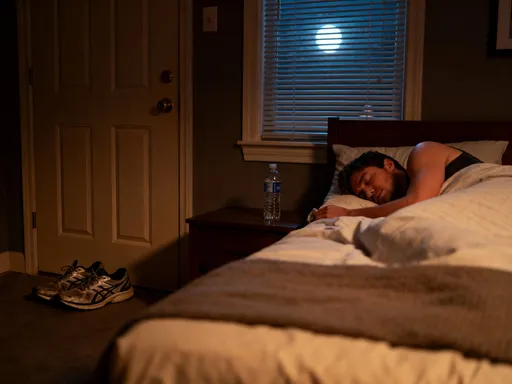
I started with sleep. I prioritized a consistent bedtime, limited screen time before bed, and created a calming nighttime routine. Quality sleep became non-negotiable. I learned that sleep is not a luxury—it’s a biological necessity for tissue repair, hormone regulation, and nervous system recovery. Without it, no amount of medication could fully support healing. Next, I focused on hydration. I carried a water bottle, set reminders, and paid attention to how I felt when I was properly hydrated. Even mild dehydration can increase muscle tension and reduce energy, making pain more likely.
Movement became a daily habit, not just a therapy. I walked every day, even when I didn’t feel like it. I stretched in the morning and evening. I incorporated light strength training to build core stability and joint support. These weren’t intense workouts—they were small acts of care that added up. I also learned to manage stress, which I had underestimated as a contributor to physical pain. Chronic stress increases muscle tension, disrupts sleep, and weakens the immune system. I started practicing deep breathing, journaling, and mindfulness—simple tools that helped me stay grounded and reduce the physiological burden on my body.
Tracking progress was essential. I didn’t just monitor pain levels—I tracked energy, mood, mobility, and sleep quality. This broader view helped me see patterns. For example, I noticed that on days I walked and slept well, my pain was lower, even if I didn’t take extra medication. This reinforced the idea that healing is holistic. Over time, these habits reduced my need for medication. I didn’t stop taking it altogether, but I used it more strategically—reserving it for flare-ups or recovery days, not as a daily crutch. Maintenance, I realized, is not about perfection. It’s about consistency. And consistency builds resilience.
Movement as Medicine: Finding the Right Balance
One of the most surprising discoveries was that movement, not rest, became my greatest ally in recovery. Early on, I feared activity would make my pain worse. I stayed still, hoping my body would heal on its own. But prolonged inactivity led to stiffness, weakness, and increased sensitivity to pain. When I finally started moving—gently and consistently—I found that motion actually reduced discomfort. This wasn’t intuitive, but it was backed by science. Movement increases blood flow, delivering oxygen and nutrients to tissues. It stimulates the release of natural pain-relieving chemicals like endorphins. It also helps retrain the nervous system, reducing the fear of movement that often prolongs recovery.
I began with walking—short, slow walks around the block. I focused on posture, breathing, and staying relaxed. As my confidence grew, I increased duration and added variety: stretching routines, gentle yoga, and light resistance training. Each form of movement served a purpose. Walking improved circulation and endurance. Stretching reduced stiffness and improved range of motion. Strength training built support around vulnerable joints and improved stability. The key was consistency, not intensity. I learned that five minutes a day was better than an hour once a week. Small efforts, repeated regularly, created lasting change.
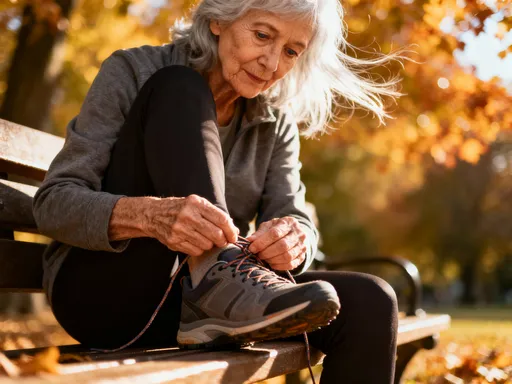
Listening to my body was crucial. I learned to distinguish between soreness—a normal response to new activity—and pain—a signal to stop or modify. I also recognized the difference between a setback and a plateau. Some days, my back would feel worse after walking. Instead of quitting, I adjusted—shortening the walk, changing my shoes, or adding a rest day. I stopped seeing these moments as failures and started seeing them as feedback. Progress wasn’t about never hurting—it was about learning how to respond wisely.
Over time, movement became preventive, not just therapeutic. It wasn’t something I did only when I was hurt. It became part of my daily rhythm—a way to maintain strength, flexibility, and mental clarity. I no longer waited for pain to return before I moved. I moved to keep pain away. This shift—from reactive to proactive—was one of the most empowering changes in my journey. Movement, I realized, is not just treatment. It’s protection.
Mindset and Motivation: Staying Committed When Results Are Slow
Recovery is not just physical—it’s emotional. There were days when progress felt invisible. I did everything “right,” yet my pain didn’t improve. Frustration built. Doubt crept in. I questioned whether I was doing enough, whether the effort was worth it, whether I would ever feel normal again. These moments tested my motivation. I learned that expectations play a powerful role in recovery. When I expected fast results, I felt discouraged by slow progress. When I shifted my expectations to honor the process, I found more patience and resilience.
I also learned to overcome discouragement during plateaus. Instead of focusing only on pain reduction, I began celebrating non-scale victories: sleeping through the night, playing with my children without wincing, cooking a meal while standing. These moments didn’t erase pain, but they reminded me that healing was happening, even if slowly. I created accountability through journaling, tracking habits, and sharing my journey with a trusted friend. This support system helped me stay on track without self-judgment. I stopped measuring my worth by my pain levels and started honoring my effort.
Motivation ebbed and flowed, so I built structure to carry me through low moments. I scheduled movement like appointments. I set small, achievable goals—like walking three times a week—rather than overwhelming ones. I used reminders, rewards, and positive self-talk to stay engaged. Most importantly, I practiced self-compassion. I reminded myself that healing is not linear, that setbacks are part of the process, and that showing up—even on hard days—was an act of courage. This mindset shift didn’t eliminate frustration, but it reduced its power over me.
Over time, I developed a deeper sense of agency. I wasn’t just waiting to feel better. I was actively creating the conditions for healing. That sense of control—of being able to influence my own well-being—became a powerful motivator. I stopped seeing myself as a victim of my body and started seeing myself as its caretaker. That shift in identity made all the difference.
Putting It All Together: A Sustainable Approach to Health
True recovery emerged not from one strategy, but from the integration of many. Medication, movement, mindset, and maintenance did not work in isolation. They supported and reinforced each other. Medication made movement possible. Movement reduced the need for medication. A healthy mindset sustained daily habits. Daily habits built resilience. This interconnected approach created a foundation that was stronger than any single intervention.
I learned to design a personalized routine—one that evolved with my needs. There was no universal formula. What worked for me might not work for someone else. But the principles were universal: listen to your body, address root causes, use medication wisely, and prioritize consistency. I built flexibility into my routine, allowing for rest when needed and adjusting based on how I felt. This adaptability prevented burnout and made long-term adherence possible.
I also learned when to seek help and when to trust my instincts. There were times when I needed a doctor’s guidance, a physical therapist’s expertise, or a counselor’s support. But there were also moments when I had to rely on my own awareness—when I knew my body better than any test or scan. This balance between external guidance and internal wisdom became essential. I stopped outsourcing my health and started owning it.
Looking back, I see that healing was never about returning to who I was before the pain. It was about becoming someone new—someone who respects her body, values prevention, and understands that health is not a destination, but a daily practice. This journey didn’t just restore function. It transformed my relationship with myself.
Healing isn’t found in a single pill or a miracle fix—it’s built through consistent choices. My journey taught me that medication can open the door, but it’s body maintenance that keeps you walking forward. This isn’t medical advice, but a real-life perspective: true recovery means respecting your body every single day, not just when it breaks.