Why Fixing My Sleep Changed Everything — A Real Systematic Win
For years, poor sleep quietly worsened my daily struggles — low energy, brain fog, constant stress. I didn’t realize how deeply it was tied to long-term health until I made one change: treating sleep like a system, not a side effect. What started as simple tweaks turned into real progress. This is how I took control, not with quick fixes, but with a steady, science-backed approach that actually stuck. It wasn’t about perfection. It was about consistency, awareness, and making sleep a non-negotiable part of my health routine. And the results? More energy, sharper thinking, and a calmer mind — benefits that reached far beyond the bedroom.
The Hidden Cost of Bad Sleep
Sleep is often treated as the first thing to sacrifice when life gets busy. Yet, the consequences of poor sleep go well beyond feeling tired the next day. Chronic sleep disruption can lead to persistent fatigue, mood swings, difficulty concentrating, and a weakened ability to handle stress. Many people accept these symptoms as normal, not realizing they are signals of deeper imbalance. Over time, the body pays a higher price. Research consistently shows that long-term sleep problems are linked to increased risks of hypertension, type 2 diabetes, weakened immune function, and even cardiovascular disease. The body doesn’t just rest during sleep — it repairs tissues, balances hormones, and consolidates memories. When sleep is inconsistent or insufficient, these vital processes are compromised.
Consider the common scenario: lying awake at 2 a.m., mind racing with unresolved tasks or worries. Or waking up multiple times during the night, only to rely on caffeine the next day to stay alert. These patterns create a cycle that’s hard to break. The more tired you are, the harder it becomes to maintain healthy habits during the day, which in turn makes it harder to fall asleep at night. It’s a feedback loop of exhaustion. Many people don’t connect their afternoon slump or irritability with their sleep habits, but the link is strong. Poor sleep affects emotional regulation, making small frustrations feel overwhelming. It also impacts metabolism, increasing cravings for sugary, high-carbohydrate foods that provide quick but short-lived energy.
What’s often overlooked is that sleep is not passive downtime. It’s an active state of restoration. During deep sleep, the brain clears out metabolic waste, including proteins associated with neurodegenerative diseases. The immune system strengthens its defenses, and cells regenerate. When sleep is cut short or fragmented, these functions are impaired. Over months and years, the cumulative effect can silently erode health. Recognizing sleep as a foundational pillar — just as important as diet and exercise — is the first step toward meaningful change. It’s not a luxury to get enough rest; it’s a biological necessity.
Why “Just Sleep More” Doesn’t Work
If sleep is so important, why can’t most people simply decide to get more of it? The answer lies in the complexity of sleep itself. Telling someone to “just sleep more” is like telling someone with joint pain to “just move better” — it ignores the underlying causes. Sleep isn’t a switch you can flip on demand. It’s influenced by a network of factors: daily routines, stress levels, light exposure, diet, physical activity, and even emotional well-being. When any of these elements are out of balance, sleep suffers. The oversimplification of sleep advice often sets people up for frustration and failure. They try to go to bed earlier but lie awake, feeling anxious about not sleeping, which only makes it harder to fall asleep.
Modern life, with its constant connectivity and high demands, creates conditions that are inherently disruptive to sleep. Screens emit blue light that suppresses melatonin, the hormone that signals sleepiness. Work stress or family responsibilities can lead to mental hyperarousal at night. Irregular schedules — staying up late on weekends, for example — confuse the body’s internal clock. These factors don’t operate in isolation. They interact, creating cycles of disruption that are hard to escape. A single late night can shift circadian rhythms, making it harder to wake up on time the next day, which leads to more caffeine, less activity, and poorer sleep that night. The cycle continues.
This is why a systemic approach is essential. Sleep isn’t something you fix in isolation. It’s the result of how you live your days and wind down your evenings. Willpower alone won’t override biological rhythms. What’s needed is structure — a consistent framework that supports the body’s natural sleep-wake cycle. Instead of focusing on the outcome (more sleep), the focus should shift to the process (habits that enable sleep). This means building routines that align with the body’s biology, not fighting against it. When sleep is treated as part of a larger system, improvements become sustainable rather than fleeting.
Building the Sleep System: Core Principles
A systematic approach to sleep rests on three foundational pillars: circadian rhythm alignment, a consistent wind-down process, and sleep hygiene. These are not quick fixes but long-term strategies that work together to create optimal conditions for rest. The circadian rhythm is the body’s internal 24-hour clock, regulated primarily by light and darkness. When this rhythm is aligned with the natural environment — waking with daylight and winding down as it gets dark — sleep comes more easily. Disruptions to this rhythm, such as late-night screen use or irregular sleep schedules, can delay melatonin release and make falling asleep difficult.
The wind-down process is equally important. Just as athletes warm up before a workout, the body needs time to transition from wakefulness to sleep. A rushed or chaotic evening makes this transition harder. A deliberate wind-down routine signals to the brain that it’s time to slow down. This might include dimming lights, avoiding stimulating conversations, and engaging in calming activities like reading or light stretching. The goal is to reduce mental and physical arousal. When this process is consistent, the body begins to associate these cues with sleep, making it easier to fall asleep over time.
Sleep hygiene refers to the environmental and behavioral factors that support good sleep. This includes maintaining a cool, dark, and quiet bedroom; reserving the bed for sleep and intimacy only; and avoiding caffeine and heavy meals in the evening. These habits may seem small, but they compound. For example, using the bed for work or watching TV can weaken the mental association between bed and sleep, making it harder to relax when it’s time to rest. Similarly, keeping the bedroom too warm can interfere with the body’s natural drop in core temperature, which is necessary for sleep onset.
What makes a system powerful is consistency. Small, repeated actions create momentum. Going to bed and waking up at the same time every day — even on weekends — strengthens the circadian rhythm. Exposure to natural light in the morning helps reset the internal clock. Limiting screen time before bed reduces blue light exposure. Each of these practices supports the others, creating a reinforcing cycle. Over time, the body learns to anticipate sleep, making it less of a struggle and more of a natural rhythm.
Step-by-Step: My 4-Part Routine That Actually Worked
After years of trial and error, I developed a four-part daily routine that finally made a lasting difference. It wasn’t about drastic changes but about building sustainable habits that worked with my lifestyle. The first step was morning light exposure. Within 30 minutes of waking, I made it a point to go outside, even if only for 10 to 15 minutes. This simple act helped anchor my circadian rhythm. Natural sunlight, especially in the morning, suppresses melatonin and signals to the brain that it’s time to be alert. Over time, I noticed I felt more awake in the morning and less reliant on coffee.
The second part was daytime movement. I didn’t need intense workouts, but I made sure to stay physically active. A daily walk, stretching, or light strength training helped regulate my energy levels and reduce stress. Physical activity increases the drive to sleep at night, especially when done earlier in the day. I avoided vigorous exercise too close to bedtime, as it can be stimulating. But moving my body during daylight hours reinforced the natural sleep-wake cycle and improved my overall well-being.
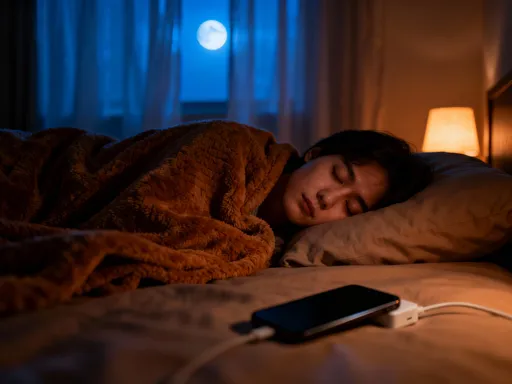
The third component was the evening shutdown. Around 8 p.m., I began to transition into a calmer state. I turned off overhead lights and switched to lamps with warm-toned bulbs. I stopped checking work emails and avoided emotionally charged conversations. By 9 p.m., I put my phone on airplane mode and kept it out of the bedroom. Instead, I read a book or listened to soft music. This wind-down period wasn’t negotiable. It became a signal to my body that the day was ending. The absence of screens reduced mental stimulation and allowed melatonin to rise naturally.
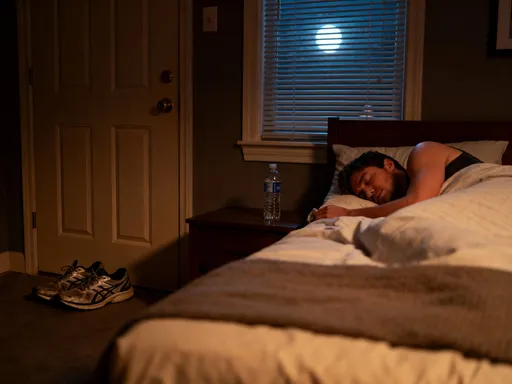
The final step was a consistent bedtime ritual. I aimed to go to bed at the same time every night, usually between 10:00 and 10:30 p.m., and wake up at the same time each morning, regardless of the day. I kept my bedroom cool — around 65°F — and used blackout curtains to block outside light. I invested in a comfortable mattress and breathable bedding. Over several weeks, I noticed significant improvements: I fell asleep faster, woke up less during the night, and felt more refreshed in the morning. My focus during the day sharpened, and I handled stress more calmly. This routine wasn’t rigid — I allowed for occasional exceptions — but the consistency was what made it work.
Troubleshooting Common Roadblocks
Even with a solid system, challenges will arise. Stress, travel, illness, or family obligations can disrupt routines. One of the most common issues is stress-induced insomnia — lying in bed with a racing mind. When this happens, I’ve learned not to force sleep. Instead, I get out of bed and sit in a dimly lit room, doing something quiet like reading a physical book or practicing slow, deep breathing. This prevents the brain from associating the bed with frustration. After 15 to 20 minutes, I return to bed only when I feel sleepy. This technique, supported by cognitive behavioral therapy for insomnia (CBT-I), helps break the cycle of anxiety around sleep.
Weekend schedule drift is another frequent obstacle. It’s tempting to stay up late and sleep in on weekends, but this can shift the circadian rhythm and make Sunday nights particularly difficult. My solution is flexible consistency — I allow myself to stay up 30 to 60 minutes later, but I still wake up within an hour of my usual time. This helps maintain rhythm without feeling deprived. If I do sleep in, I make sure to get morning light to help reset my clock.
Environmental disturbances like noise or light can also interfere. I use a white noise machine to mask sudden sounds, especially in urban settings. Earplugs and an eye mask are backup options. If a partner snores or pets move around at night, I address it proactively — sometimes with a separate blanket or adjusting sleeping positions. The goal isn’t perfection but resilience. A strong system can withstand occasional disruptions without collapsing.
Setbacks are normal. There will be nights when sleep doesn’t go as planned. The key is not to view these as failures but as part of the process. Persistence matters more than perfection. Over time, the body adapts to consistent patterns, and even after a poor night, returning to the routine helps restore balance. What’s important is the long-term trend, not a single night’s outcome. By normalizing challenges and having practical solutions ready, the system becomes more durable and easier to maintain.
When to Seek Professional Help
While lifestyle changes can resolve many sleep issues, there are times when professional guidance is necessary. Chronic insomnia — difficulty falling or staying asleep at least three nights a week for three months or more — often requires more than self-management. Similarly, symptoms of sleep apnea, such as loud snoring, gasping for air during sleep, or excessive daytime sleepiness despite adequate time in bed, should be evaluated by a healthcare provider. Sleep apnea is a serious condition that can increase the risk of heart disease and stroke if left untreated.
Other red flags include unrefreshing sleep, restless legs at night, or waking up with headaches. These could indicate underlying medical or neurological conditions. Mental health also plays a significant role; anxiety, depression, and chronic stress can deeply affect sleep quality. A doctor can help identify contributing factors and recommend appropriate treatments, which may include therapy, medication, or a sleep study.
It’s important to understand that seeking help is not a sign of failure. It’s a responsible step in managing health. Self-care and medical care are not mutually exclusive — they work best together. A sleep specialist can provide personalized strategies, such as CBT-I, which is considered the gold standard for treating chronic insomnia. In some cases, supplements like melatonin may be recommended, but only under medical supervision. The goal is always safety and effectiveness, not quick fixes.
Women, especially during perimenopause and menopause, may experience sleep disruptions due to hormonal changes. Night sweats, hot flashes, and shifting hormone levels can make sleep elusive. In these cases, talking to a healthcare provider about hormone therapy or other evidence-based options can be beneficial. The key is to approach sleep as a vital sign of health — just like blood pressure or cholesterol — and to treat persistent problems with the seriousness they deserve.
Long-Term Gains: Sleep as a Foundation for Health
Improving sleep isn’t just about feeling more rested. It’s about building a stronger foundation for long-term health. Better sleep enhances mood, improves immune function, supports heart health, and helps regulate blood sugar. It also boosts cognitive performance — memory, focus, and decision-making all improve with consistent, high-quality rest. Over time, these benefits create a ripple effect across life. Daily tasks feel more manageable, relationships improve, and resilience to stress increases.
Sleep should be viewed as a core pillar of wellness, equal in importance to nutrition and physical activity. Just as you wouldn’t skip meals or avoid exercise for long, sleep shouldn’t be neglected. When it’s prioritized, the body functions at its best. Cells repair, hormones balance, and the mind recharges. This isn’t about adding more to your to-do list — it’s about protecting what’s already essential.
The changes that last are the ones that become part of your rhythm. Small, smart adjustments today — like getting morning light, winding down without screens, or keeping a consistent schedule — lay the groundwork for healthier years ahead. Sleep isn’t a luxury. It’s a commitment to yourself. And when you honor that commitment, everything else in life becomes a little easier to manage. The journey to better sleep isn’t about perfection. It’s about progress — steady, sustainable, and deeply rewarding.