I can't keep up with my health" – How automated reports gave me control back
You’re not alone if you’ve ever felt overwhelmed trying to track your health—juggling doctor visits, symptoms, and lifestyle changes. I once drowned in sticky notes and half-filled journals until I discovered how automated health reports quietly transformed my routine. No hype, no complexity—just clear insights that fit my real life. This isn’t about perfection; it’s about progress, peace of mind, and finally feeling *in charge*. Let me show you how simple it can be.
The Breaking Point: When Tracking My Health Felt Like a Second Job
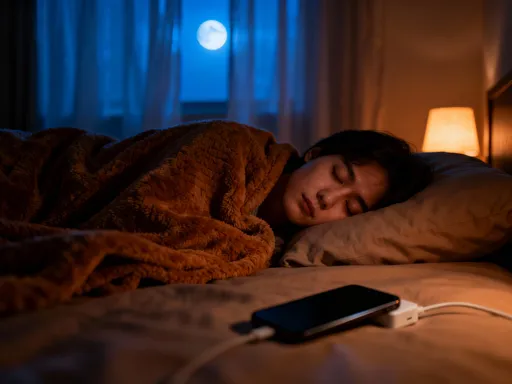
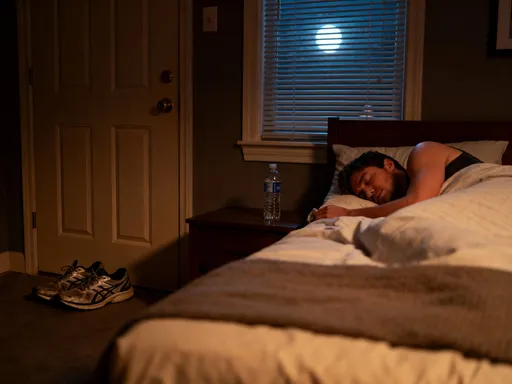
There was a time when managing my health didn’t feel like self-care—it felt like work. A full-time job I never applied for. I’d wake up, jot down how I slept ("restless," "ok," "bad dreams"), then scribble notes about my energy levels by 10 a.m. Lunchtime meant logging food—was that avocado oil worth the calories? Was the headache from dehydration or stress? By evening, I’d try to remember if I’d taken my supplements, how many steps I’d hit, and whether my mood had dipped after that stressful call with my sister. I carried a little notebook everywhere. On the counter. In my purse. Next to the bed. And still, I missed entries. I’d flip through pages and see gaps like missing puzzle pieces, and each blank space made me feel like I was failing.
It wasn’t just the tracking. It was the weight of it all. The constant mental load of remembering, recording, interpreting. I’d go to my doctor armed with my notes, only to hear, "Hmm, hard to say from this." One visit, I described feeling tired all the time. She asked, "How’s your sleep?" I handed her three pages of scribbles. She skimmed them, then said gently, "I wish this was clearer." That stung. All that effort—and it wasn’t even useful. I left the office with a prescription and a knot in my stomach. Was I doing this wrong? Was I just not disciplined enough? The truth was, I was trying so hard to be in control that I’d lost it completely. I wasn’t managing my health—I was drowning in it.
And the guilt. Oh, the guilt. If I forgot to log a meal, I felt lazy. If I skipped a day of tracking water, I worried I was undoing weeks of progress. I’d see influencers online with color-coded spreadsheets and perfect journaling habits and think, "Why can’t I be like that?" But I’m not a data analyst. I’m a mom, a wife, a daughter, a friend. I cook meals, help with homework, plan birthday parties, and sometimes, I just need to breathe. I didn’t need more to do—I needed less. I needed something that worked *with* my life, not against it. I didn’t realize it then, but I was on the edge of a shift. One that wouldn’t require more effort—but would give me back more clarity, calm, and confidence than I’d ever found in a notebook.
Discovering the Shift: My First Automated Health Report
It started with a gift I almost returned. My sister got me a fitness tracker for my birthday—"You’re always tired," she said. "Maybe this can help." I wore it for a week out of politeness, then tossed it in the junk drawer. Another gadget. Another thing to charge. Another reminder of how I wasn’t doing enough. But one rainy Sunday, with the kids watching a movie and a cup of tea cooling on the table, I dug it out. I synced it to my phone, set it up with a few taps, and forgot about it again. A week later, I opened the app by accident—and froze.
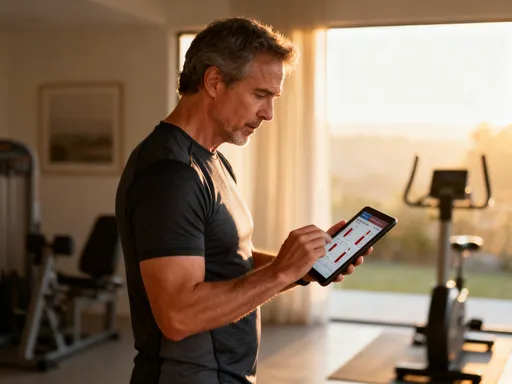
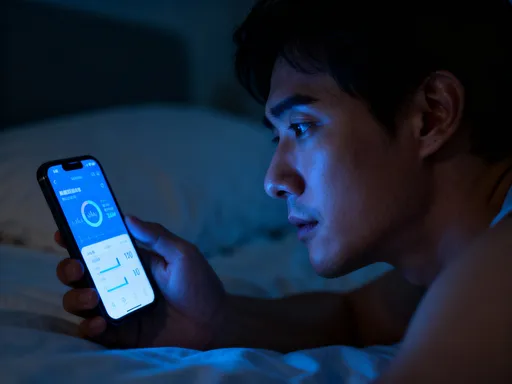
There it was. A clean, colorful report. Not a wall of text, not scribbles, but a simple weekly summary. My average sleep: 6 hours 22 minutes. Most nights, I was in bed by 10:30, but on Wednesdays and Fridays, I stayed up past 11. My resting heart rate had dropped slightly over the past month. My daily steps averaged 6,800—lower on weekends. And there was a little chart showing my mood logs (I’d started using the app’s quick emoji check-in) alongside my activity. On days I walked more than 8,000 steps, I rated my mood higher 80% of the time.
I sat there, stunned. All this information—information I’d been chasing for years—was just… there. No effort. No guilt. No messy handwriting. And it wasn’t just data. It was insight. I’d always thought I slept fine, but seeing it laid out, I realized how much those late nights on my phone were stealing from my rest. And the mood-activity link? That was a lightbulb moment. No one had told me to walk more. But seeing that pattern made me want to. It wasn’t a command from an app—it was a quiet whisper from my own body, finally heard. That report didn’t make me feel judged. It made me feel seen. And for the first time in years, I felt like I wasn’t alone in this journey.
How It Works Without the Overwhelm: Behind the Scenes Made Simple
I know what you’re thinking. "Sounds great, but isn’t this complicated? Don’t I need to be tech-savvy?" I thought the same. But here’s the truth: setting it up took less than 15 minutes. And most of that was just tapping "yes" to a few prompts. The magic isn’t in doing more—it’s in doing less. Let me walk you through how it actually works, without the jargon.
Your wearable—whether it’s a watch, a ring, or even your phone—collects things in the background. It tracks your movement, your heart rate, your sleep stages (how much deep sleep you get, how often you wake up). You don’t have to do anything. It just… knows. Then, there are small inputs you *can* add if you want—like how you’re feeling today, what you ate, or if you had a stressful day. But even those take seconds. I open the app every night before bed and tap three things: my energy level (low, medium, high), my mood (smiley, neutral, frowny), and one thing I’m grateful for. That’s it. Takes 20 seconds.
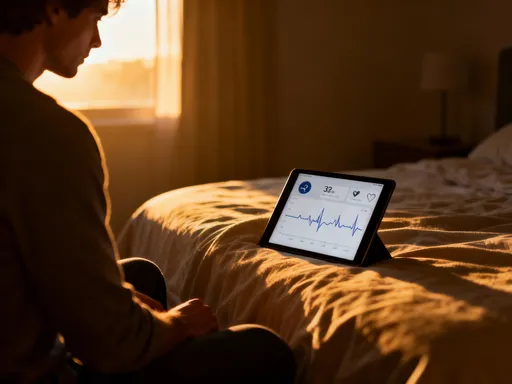
The app pulls all this together—your sleep, your steps, your heart rate variability (which is just a fancy way of saying "how well your body handles stress"), plus your little daily notes—and turns it into a weekly report. Every Sunday morning, it lands in my inbox. No logging. No spreadsheets. No guessing. It’s like having a kind, quiet assistant who’s been paying attention all week and says, "Here’s what I noticed. Want to talk about it?"
And here’s the best part: you don’t need to understand the science to benefit from it. You don’t need to know what REM sleep is or why your heart rate spikes. The report explains it in plain language. "You got less deep sleep this week—this can happen when stress is high or caffeine is late." Or, "Your activity dropped 15%—try a 10-minute walk after dinner to boost energy." It’s not about perfection. It’s about patterns. And once you see them, you can work *with* your body, not against it. This isn’t technology for athletes or biohackers. It’s for real people—busy, tired, loving, trying people—who just want to feel a little better, a little more in control.
Regaining Control: From Confusion to Confidence in Just One Week
The change didn’t happen overnight—but it happened fast. By the end of the first week, I already felt different. Not because I’d transformed my life, but because I finally had clarity. I saw that my energy crashes at 3 p.m. weren’t random—they followed days when I skipped lunch or ate heavy carbs. I noticed that my sleep was worst after I used my laptop in bed. And I realized that my "low mood" days often came after nights with less than six hours of sleep.
So I made one tiny change. I stopped eating pasta for dinner. I love it—I really do—but I saw the pattern: pasta at night, sluggish the next morning. So I swapped it for grilled salmon and veggies twice a week. No willpower struggle. No strict rules. Just a simple choice based on what *my body* was telling me. And within days, I felt lighter, more alert. My husband even said, "You seem brighter lately." I didn’t tell him about the app. I just smiled.
Another week, the report showed my stress levels spiking midweek. I looked at the data and realized it always happened after my weekly team meeting. I wasn’t even aware of it until I saw the numbers. So I started taking five minutes after the meeting to breathe deeply and step outside. Not forever—just a few days. And guess what? My stress markers improved. I didn’t fix my job. I didn’t quit. I just gave myself a small reset. That’s the power of this: it doesn’t demand big overhauls. It shows you where a little tweak can make a big difference.
But the biggest shift wasn’t physical—it was emotional. I stopped feeling guilty about the days I didn’t "do enough." Because now, I could see the full picture. One bad night of sleep didn’t mean I’d failed. It just meant I’d had a late night—and the next day, I could adjust. I wasn’t tracking to punish myself. I was tracking to understand myself. And that changed everything. I wasn’t chasing perfection. I was building self-awareness. And that, more than any number on a screen, gave me back my confidence.
Small Habits, Big Gains: Building a Routine That Stays
Here’s what surprised me most: the habits stuck. Not because I forced them, but because they felt *earned*. When you see proof that a change works, you’re more likely to keep doing it. It’s one thing to *hope* walking will make you feel better. It’s another to *know* it does—because your report shows your mood lifted every time you hit 8,000 steps.
I started small. After seeing my low activity days, I committed to one 15-minute walk after dinner. Not every day. Just when I could. And the app started showing little badges—"7-day walking streak!"—not because I cared about the badge, but because it reminded me I was consistent. I’d hear my husband say, "Want to walk around the block?" and I’d say yes, not because I had to, but because I *wanted* to see that green bar go up.
Then there was hydration. I’d always forget to drink water. But the app started sending gentle reminders—"You’re behind on water today." Not pushy. Not shaming. Just a nudge. I began keeping a bottle on the counter. I’d fill it while making coffee. And within a week, my energy improved. My skin looked better. My headaches faded. Again, no drastic diet. No expensive supplements. Just water—because the data showed me it mattered.
What I love is that it didn’t feel like a chore. It felt like a conversation. The app said, "You moved less this week," and I’d think, "Yeah, the kids were sick, and I was up late." No judgment. Then it would suggest, "Try a 5-minute stretch tomorrow to reset." And sometimes I did. Sometimes I didn’t. But the option was there. The feedback loop—see, understand, act, see results—made change feel natural, not forced. And over time, those small choices added up. I wasn’t following a plan. I was living a life that listened to itself.
Sharing with Care: Strengthening Connections Through Health Clarity
One of the most unexpected benefits was how it improved my relationships—with my doctor, my family, even myself. Before, when I went to the doctor, I’d say things like, "I feel tired a lot," or "My stomach’s been off." Vague. Frustrating—for both of us. Now, I bring a printed copy of my weekly report. Not to prove anything. Not to show off. But to say, "Here’s what’s been happening."
Last month, I saw my doctor for fatigue. I handed her the report. It showed my average sleep was 6.2 hours, my resting heart rate was slightly elevated, and my mood scores were low on weekdays. She looked at it, nodded, and said, "This makes sense. Let’s check your iron and thyroid." No guessing. No long story. Just facts. And she treated me faster, more accurately. I left with a plan, not just a prescription. That report didn’t replace her expertise—it supported it. And it made me feel like a partner in my care, not a patient handing over a messy notebook.
At home, it helped too. My daughter asked, "Why do you wear that watch?" I showed her the app—how it tracks my steps and sleep. She thought it was cool. Now, she asks, "Did you hit your step goal today, Mom?" And sometimes, she joins me on a walk. My husband saw the note about dinner timing and said, "Maybe we *have* been eating too late." We moved dinner up by 30 minutes. Everyone sleeps better. No lectures. No fights. Just small shifts, inspired by data that felt like a shared language.
Even with friends, it’s helped. When my best friend said she was stressed, I shared how the app helped me notice my own stress patterns. Not to say, "You should get this," but to say, "I found something that helped me. Want to talk about it?" It opened a real conversation—about health, about balance, about how hard it is to keep up. We don’t compare reports. We compare experiences. And that’s the point. This isn’t about numbers. It’s about understanding. And when we understand ourselves, we can connect more deeply with others.
A Calmer, Clearer Life: Why This Isn’t Just About Data
Looking back, I realize I wasn’t just tracking health—I was reclaiming my peace. The constant worry, the mental clutter, the guilt of not doing enough—that’s gone. Not because I’m perfect now, but because I’m informed. I know my patterns. I trust my body. I make choices from a place of clarity, not fear.
The reports didn’t give me a new life. They gave me back my own. One where I can say, "I’m tired today," and know it’s not failure—it’s information. Where I can adjust dinner, take a walk, or go to bed early—not because a guru told me to, but because my own data showed me it helps. I’m not chasing wellness. I’m living it, one small, seen choice at a time.
This isn’t about becoming a tech expert. It’s about using simple tools to live with more intention. It’s about giving yourself the gift of understanding—without the burnout. You don’t need to track everything. You don’t need to be perfect. You just need to start. Pick one thing—sleep, steps, mood—and let the app do the rest. Let it be your quiet ally, your personal translator, your weekly check-in with yourself.
Because you deserve to feel in control. Not overwhelmed. Not guilty. Just gently guided, quietly supported, and deeply seen. This isn’t just data. It’s dignity. It’s care. It’s the freedom to live well—without having to work so hard at it. And if I can do it, with my messy kitchen, my busy calendar, and my love for late-night TV—you can too. Start small. Trust the process. And let your health finally feel like yours again.