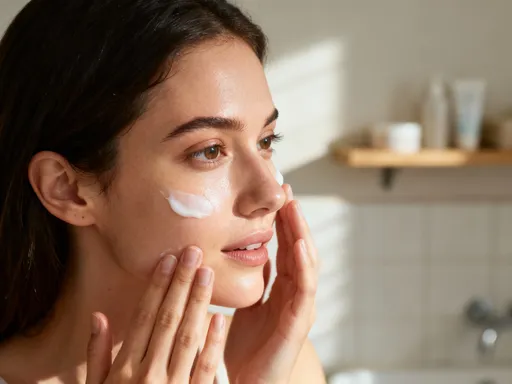
Glow Up Without the Hype: My Real Skin Journey
You know that feeling when your skin just won’t cooperate, no matter what you try? I’ve been there—dealing with dullness, breakouts, and confusion over endless products. Turns out, healthy skin isn’t about magic creams but consistent, science-backed habits. This is a no-fluff look at what actually works, why it matters, and how simple changes can lead to real results. Let’s talk about skin health the honest way.
The Skin Struggle Is Real (And Totally Normal)
For many women, especially those balancing family, work, and personal well-being, skin concerns can feel like one more thing to manage—and often, one more thing to fail at. Dry patches, unexpected breakouts, redness, or a tired-looking complexion are not signs of poor hygiene or laziness. They are common responses to stress, hormonal shifts, environmental exposure, and the natural aging process. The frustration often comes not from the condition itself, but from the overwhelming number of solutions promised by advertisements, influencers, and overpriced products that deliver little in return.
The truth is, most people are not using the wrong products because they lack discipline—they’re using them because they’ve been misled. The skincare industry thrives on the idea of quick fixes: a serum that erases wrinkles in a week, a cleanser that clears acne overnight, or a miracle mask that gives you “glass skin” by morning. These claims create unrealistic expectations and set individuals up for disappointment. When results don’t appear immediately, the instinct is to try something new, layer on more actives, or scrub harder—often doing more harm than good.
What’s missing in most conversations about skin is patience and understanding. Skin is a living organ, not a canvas to be painted over. It responds to internal health, external stressors, and long-term habits. The journey to healthier skin isn’t about chasing perfection but about building a foundation of care that supports the skin’s natural functions. Recognizing that struggle is normal is the first step toward lasting change. When women stop blaming themselves for their skin’s behavior and start seeing it as a reflection of overall wellness, they open the door to real progress.
What Your Skin Actually Needs: Back to Basics
To care for skin effectively, it helps to understand what it is and what it does. The skin is the body’s largest organ, serving as a protective barrier between the internal environment and the outside world. It regulates temperature, prevents infection, and helps retain moisture. At its most fundamental level, healthy skin depends on three key functions: a strong barrier, balanced hydration, and consistent cell renewal. When any of these elements are disrupted, visible issues like dryness, sensitivity, or breakouts can occur.
Think of the skin’s outer layer—the stratum corneum—like a brick wall. The skin cells are the bricks, and the lipids (natural fats) between them are the mortar. When this structure is intact, it keeps moisture in and irritants out. But when the mortar breaks down—due to harsh cleansers, over-exfoliation, or environmental damage—the wall becomes porous. This leads to transepidermal water loss, increased sensitivity, and vulnerability to inflammation. Restoring the skin isn’t about adding more layers of product; it’s about reinforcing the wall itself.
Another essential process is cell turnover. In youth, skin cells regenerate every 28 days or so, bringing fresh, radiant skin to the surface. As we age, this cycle slows—sometimes stretching to 45 days or longer. Slower turnover means dead skin cells accumulate, contributing to dullness, clogged pores, and uneven texture. Instead of aggressive exfoliation, which can damage the barrier, gentle support through hydration and mild actives helps encourage natural renewal without irritation.
The takeaway is simple: skin doesn’t need to be stripped, shocked, or overloaded. It needs consistency, protection, and nourishment. Shifting the mindset from “fixing flaws” to “supporting function” transforms skincare from a battle into a practice of daily care. When women understand that glowing skin is a byproduct of health—not a result of harsh treatments—they can make choices that are both effective and sustainable.
The Morning Routine That Actually Works
A morning skincare routine doesn’t need to be elaborate to be effective. In fact, simplicity often leads to better results because it’s easier to maintain. The core goals of a morning regimen are threefold: remove any residue from the night, protect the skin from daily damage, and provide hydration to support the barrier. Each step should be gentle, purposeful, and grounded in science—not marketing hype.
Cleansing in the morning is often debated, but for most skin types, a light rinse with water or a mild, non-foaming cleanser is sufficient. Overnight, the skin sheds dead cells and produces natural oils. While these are beneficial, they can mix with pillow residue or leftover product, creating a film that may interfere with the absorption of daytime products. A gentle wash clears the surface without stripping the skin’s natural moisture. For those with dry or sensitive skin, even splashing with lukewarm water can be enough.
Hydration comes next. Applying a lightweight, non-comedogenic moisturizer helps lock in moisture and reinforces the skin barrier. Look for ingredients like ceramides, hyaluronic acid, or glycerin—compounds that attract and retain water. These are not just buzzwords; they are naturally occurring substances in the skin that decline with age and environmental exposure. Replenishing them supports resilience and prevents dryness throughout the day.
But the most critical step—non-negotiable, in fact—is sunscreen. UV radiation is the leading cause of premature skin aging and a major contributor to uneven tone and texture. Even on cloudy days or when spending most of the time indoors, ultraviolet rays penetrate windows and can cause cumulative damage. A broad-spectrum sunscreen with at least SPF 30 should be applied every morning as the final step in the routine. Physical sunscreens containing zinc oxide or titanium dioxide are excellent choices for sensitive skin, while chemical formulas may feel lighter for daily wear.
Optionally, an antioxidant serum—particularly one with vitamin C—can be added before moisturizer. Vitamin C helps neutralize free radicals generated by pollution and UV exposure, reducing oxidative stress that leads to dullness and fine lines. It also supports collagen production and can improve the appearance of dark spots over time. However, it’s not essential for everyone. The foundation of a good morning routine is protection and hydration—everything else is a supportive addition.
Nighttime: When Your Skin Does the Heavy Lifting
If mornings are about defense, nights are about repair. While you sleep, your skin enters a regenerative phase—increasing blood flow, producing collagen, and accelerating cell turnover. This makes the evening routine a powerful opportunity to support healing and renewal. Unlike the morning, when the focus is on protection, nighttime allows for deeper treatment without the risk of sun exposure or environmental stress.
The first step is cleansing—this time, a more thorough one. Makeup, sunscreen, and daily grime need to be fully removed to prevent clogged pores and irritation. For those who wear makeup or use sunscreen daily, a double cleanse can be beneficial: starting with an oil-based cleanser to dissolve oil-soluble residues, followed by a water-based cleanser to remove sweat and impurities. The key is to cleanse effectively without over-drying. Harsh, stripping cleansers can compromise the barrier, leading to rebound oiliness or sensitivity.
After cleansing, the skin is primed to absorb active ingredients. This is when treatments like retinoids—derived from vitamin A—can be applied. These compounds are among the most researched in dermatology for their ability to increase cell turnover, improve texture, and reduce the appearance of fine lines. They work by communicating with skin cells, encouraging them to behave more youthfully. However, they can cause dryness or irritation if introduced too quickly. Starting with a low concentration, applied two to three times a week, allows the skin to adjust gradually.
Moisturizing at night is equally important. A richer formula than the one used in the morning can help repair the barrier and prevent water loss during sleep. Ingredients like shea butter, squalane, or niacinamide provide deep nourishment and have additional benefits—such as calming redness or strengthening the skin’s defenses. Applying moisturizer while the skin is still slightly damp helps seal in hydration.
One common mistake is over-exfoliating in the belief that more is better. Chemical exfoliants like AHAs (alpha hydroxy acids) and BHAs (beta hydroxy acids) can be helpful for managing dullness or clogged pores, but using them daily—or in combination with retinoids—can lead to irritation and barrier damage. Limiting exfoliation to one or two times a week, depending on skin tolerance, is usually sufficient. The goal is not to feel “tight” or “squeaky clean” after a routine—that’s a sign of over-stripping. Healthy skin should feel soft, balanced, and calm.
Inside-Out Healing: How Diet and Sleep Shape Your Skin
No skincare routine can fully compensate for poor internal health. The condition of the skin is a direct reflection of what’s happening inside the body. Diet, hydration, sleep, and stress levels all play significant roles in skin clarity, elasticity, and overall appearance. While topical products address surface concerns, lasting change comes from daily habits that support cellular health and reduce inflammation.
Hydration is foundational. Water makes up about 60% of the body, and the skin relies on adequate fluid levels to maintain plumpness and function. Chronic dehydration can make fine lines more visible and contribute to a dull complexion. While drinking water alone won’t erase wrinkles, consistent hydration supports the skin’s natural detoxification processes and improves its ability to retain moisture. Herbal teas, water-rich fruits like cucumbers and watermelon, and soups can also contribute to daily fluid intake.
Diet plays a powerful role as well. Foods high in refined sugars and processed carbohydrates can trigger inflammation and insulin spikes, which are linked to increased sebum production and breakouts. In contrast, a balanced diet rich in antioxidants, healthy fats, and lean proteins supports skin integrity. Omega-3 fatty acids—found in fatty fish, flaxseeds, and walnuts—help maintain the skin’s lipid barrier and reduce redness. Vitamin E, abundant in nuts and seeds, works synergistically with vitamin C to protect against oxidative damage.
Fruits and vegetables provide a wide range of phytonutrients that support skin health. Lycopene in tomatoes, beta-carotene in carrots, and anthocyanins in berries all contribute to skin resilience and radiance. Rather than following restrictive or trendy diets, the focus should be on variety, balance, and sustainability. Eating a colorful plate of whole foods ensures a broad spectrum of nutrients that benefit not only the skin but overall well-being.
Sleep is equally crucial. During deep sleep, the body repairs damaged cells, including those in the skin. Growth hormone levels peak at night, stimulating collagen production and tissue regeneration. Chronic sleep deprivation disrupts this process, leading to increased cortisol (the stress hormone), which can break down collagen and exacerbate conditions like acne and eczema. Aiming for 7 to 8 hours of quality sleep per night is one of the most effective anti-aging strategies available—and it’s free.
Stress management also influences skin health. When stress is high, the body produces more cortisol, which can increase oil production and trigger breakouts. Mindfulness practices, regular movement, and time spent in nature can all help regulate stress hormones. Even small daily rituals—like a five-minute breathing exercise or a warm cup of chamomile tea before bed—can make a difference in both mental and skin health.
When to See a Pro: Knowing the Limits of DIY Care
While a consistent, science-based routine can improve many common skin concerns, there are times when professional guidance is necessary. Self-treatment has its limits, and recognizing when to seek help is a sign of wisdom, not failure. Persistent or worsening conditions should never be ignored, especially when they affect quality of life or cause discomfort.
Acne that doesn’t respond to over-the-counter treatments, especially when it includes deep cysts or leaves scars, may require prescription medication. Topical retinoids, oral antibiotics, or hormonal therapies—when appropriate—can be highly effective under medical supervision. Similarly, recurring rashes, unexplained redness, or patches of scaling could indicate conditions like rosacea, eczema, or psoriasis, which benefit from accurate diagnosis and targeted treatment.
Sudden changes in moles, the appearance of new growths, or lesions that don’t heal should always be evaluated by a dermatologist. Skin cancer is one of the most common cancers, but when caught early, it is highly treatable. Regular skin checks—both self-exams and professional evaluations—are an essential part of long-term health.
It’s also important to avoid self-diagnosis based on internet searches or social media trends. What works for one person may not work for another, and misidentifying a condition can lead to inappropriate treatments that worsen the problem. A licensed dermatologist can provide personalized advice based on medical history, skin type, and specific concerns. They can also help navigate the overwhelming number of products and ingredients, recommending what is truly necessary and safe.
Seeking professional care is not an admission of defeat—it’s an act of self-respect. Just as women take their children to pediatricians or schedule annual check-ups for themselves, skin health deserves the same level of attention. Investing in expert guidance ensures that care is both effective and safe, minimizing the risk of long-term damage from incorrect treatments.
Building a Sustainable Skincare Mindset
The final, and perhaps most important, step in any skin journey is mindset. Healthy skin is not a destination; it’s a lifelong practice. It requires patience, consistency, and a willingness to listen to your body. The cultural obsession with flawless, filtered complexions can make real progress feel invisible. But true skin health isn’t about achieving perfection—it’s about building resilience, balance, and self-awareness.
One of the greatest obstacles to sustainable care is the allure of trends. New ingredients, viral routines, and celebrity-endorsed products promise quick results, but few stand the test of time. What works for a 20-year-old influencer with oily skin may not suit a 45-year-old woman navigating hormonal changes. Instead of chasing the latest fad, focus on principles that are proven and adaptable: gentle cleansing, daily sun protection, hydration, and internal wellness.
Consistency matters more than intensity. Using a few well-chosen products every day yields better results than rotating ten different serums once a week. Skin thrives on routine, not novelty. It takes about 28 to 45 days to see noticeable changes, so short-term experimentation rarely leads to long-term improvement. Committing to a simple, repeatable regimen—rain or shine, busy or calm—is the key to lasting results.
Equally important is self-compassion. There will be days when breakouts appear, when the skin feels tight, or when life gets in the way of a perfect routine. These moments don’t mean failure. They are part of being human. Treating yourself with kindness—rather than criticism—creates a healthier relationship with your skin and with yourself. Skincare should be a form of self-care, not self-punishment.
Ultimately, the goal is not to look younger, thinner, or more flawless. It’s to feel confident in your skin—whatever it looks like on any given day. By combining knowledge, gentle practices, and realistic expectations, any woman can build a routine that supports her health, fits her lifestyle, and feels sustainable for years to come. Glowing skin isn’t about hype. It’s about showing up, day after day, with care and commitment.