Tested 5 Gas Alarms in 6 Months: The One That Finally Gave Me Peace at Night
You know that quiet moment just before bed when your mind starts racing—did I lock the door? Did I turn off the stove? I used to lie awake, worrying about gas leaks, especially with my parents living alone. Then I tested several alarms, and one changed everything. It’s not magic—just smart, simple tech that quietly watches over your home. Now, I sleep deeper, and so do they. That little device didn’t just alert me to danger—it gave me something I hadn’t realized I’d lost: peace of mind. And honestly, isn’t that what we all want for our families? To feel safe, even when we’re not there to watch over them ourselves?
The Nighttime Worry No Parent Should Ignore
It starts small—a missed call, a voicemail that says, “Hi honey, just checking in,” followed by silence. Then the questions creep in. Did Mom forget to turn off the stove again? Is the house safe? I used to dread those quiet hours after my parents went to bed. My mom is in her seventies now, and while she’s sharp and independent, I’ve learned that memory isn’t always reliable, no matter how strong someone seems. One winter evening, she called me at 10 p.m., voice shaky, asking if I could come over because she wasn’t sure whether she’d turned off the gas burner after heating soup. I drove over immediately, heart pounding. When I got there, the stove was off—but the fear lingered. Not just for her, but for me. What if I hadn’t answered? What if she hadn’t called?
That night changed how I thought about home safety. We install smoke detectors without hesitation, but gas leaks are invisible, odorless in some cases, and far more dangerous if unnoticed. Carbon monoxide, natural gas buildup—these aren’t things you can see or hear until it’s too late. And yet, so many homes still rely only on smell or memory. I realized I couldn’t keep calling every night. That wasn’t protection; it was anxiety disguised as care. I wanted something better—something that didn’t depend on perfect memory or constant check-ins. I wanted a system that worked even when we weren’t thinking about it. Because real safety isn’t about being vigilant every second. It’s about having a quiet backup plan that never gets tired, never forgets, and never stops watching.
Why My Family Needed More Than “Be Careful”
We’ve all said it: “Just be careful, okay?” I must have told my dad that a hundred times. “Double-check the stove. Turn it off completely.” He always promised he would. And he meant it. But life happens. One afternoon, I stopped by after work and found the kitchen filled with the faint smell of gas. He’d been cooking rice, stepped away to answer the phone, and forgotten to turn off the burner. The pot had boiled dry, the flame was still on, and the room was filling with unburned gas. I turned it off immediately, opened the windows, and tried not to panic. But inside, I was shaken. This wasn’t laziness or neglect. It was distraction—a momentary lapse that could have had serious consequences.
That incident made me realize something important: no amount of love or good intentions can replace a reliable safety system. Reminders fade. Memory fails. Even the most responsible people make mistakes, especially when juggling multiple tasks or dealing with the natural changes that come with aging. My dad isn’t careless—he’s human. And that’s exactly why we needed something more than words. We needed a solution that didn’t rely on perfect behavior, because none of us are perfect. I started looking into gas alarms not because I thought my parents were unsafe, but because I wanted to give them—and myself—the freedom to live without constant fear. I didn’t want to control their routines. I wanted to support their independence with a little help from technology. Something that could step in when attention slipped, just for a moment.
How I Tested Five Different Gas Alarms at Home
I didn’t rush into a decision. I knew this wasn’t just about picking the cheapest or the one with the most features. This was about finding something that could fit into real life—our messy, unpredictable, busy lives. So I bought five different gas alarms over six months, testing each one in both my home and my parents’ kitchen. I treated it like a real-world experiment: no lab conditions, no perfect setups. Just everyday living—cooking, cleaning, kids running around, the occasional burnt toast. I wanted to see how they handled real cooking fumes, how often they gave false alarms, and whether they actually alerted us when needed.
The first one I tried was a basic model from a well-known hardware store brand. It was affordable and easy to install, but it went off every time I fried onions. The sensor seemed overly sensitive, and after three false alarms in one week, I unplugged it. The second model had a digital display and claimed to detect both natural gas and carbon monoxide. That sounded promising, but the setup was complicated—required a separate hub and an app that kept crashing. My dad gave up after two days. The third alarm was sleek and modern, with voice alerts and smartphone notifications. But the battery died within three weeks, and the replacement wasn’t a standard size. Frustrating.
The fourth one was better—long battery life, clear beeping alert, and it didn’t false-alarm during normal cooking. But it only detected natural gas, not carbon monoxide, which felt like a dangerous gap. I needed something that covered both. Then came the fifth—small, unobtrusive, with a simple wall mount and a one-button test. It connected to a reliable app, sent alerts to my phone, and had a calm, spoken warning instead of a harsh beep. During a test with a controlled gas release (done safely, following manufacturer guidelines), it detected the leak within 12 seconds and sent an alert to my phone instantly. That was the moment I knew I’d found the one. It wasn’t flashy. It didn’t have ten features. But it worked—consistently, quietly, and without demanding attention.
The One Alarm That Actually Fit Into Real Life
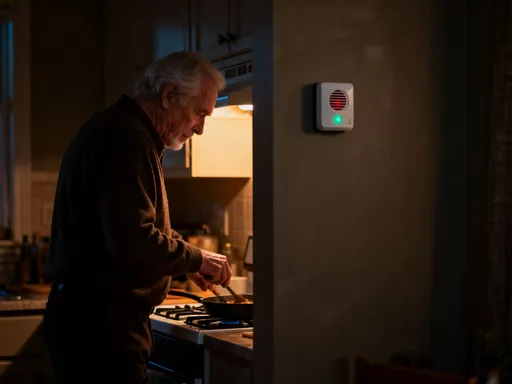
Out of the five, only one stayed. Not because it was the most expensive or had the longest list of specs, but because it disappeared into the background of daily life—just like a smoke detector should. It’s made by a reputable brand known for home safety devices, and it’s certified to detect both natural gas and carbon monoxide, which was non-negotiable for me. The design is simple: white, compact, with a small LED indicator that glows green when everything’s okay. When it detects a problem, it doesn’t just beep—it speaks. A calm, clear voice says, “Gas detected. Please evacuate and call for help.” That made a huge difference for my parents. A loud alarm can be startling, especially at night, but a voice telling you what to do feels more like guidance than panic.
But the real game-changer? It connects to my phone. Through a free app, I get instant alerts if the alarm goes off, even when I’m not at home. I can check its status anytime—battery level, sensor health, last test date. And it doesn’t drain my phone’s battery or send constant notifications. It only speaks up when it needs to. I also appreciate that it has a ten-year sensor life and uses a sealed lithium battery, so I won’t have to replace it for a decade. No more midnight battery chirps. No more forgetting to test it. It runs silently, reliably, like a quiet guardian doing its job without fanfare.
What I love most is how unobtrusive it is. It doesn’t require a complicated hub or monthly subscription. It works on Wi-Fi, pairs in under two minutes, and blends into the wall like it’s always belonged there. My dad barely noticed it after the first week. And that’s exactly what I wanted—not another thing to manage, but one less thing to worry about.
Simple Setup: How Anyone Can Install It in 10 Minutes
I’ll admit, I was nervous the first time I held the drill. Tech gadgets can feel intimidating, especially when they’re supposed to keep your family safe. But this one was surprisingly simple. The package came with clear, step-by-step instructions—no technical jargon, just plain English. I chose a spot on the ceiling near the kitchen, about ten feet from the stove, following the safety guidelines. I marked the spot, drilled two small holes, screwed in the mounting plate, and clicked the alarm into place. Total time: five minutes.
Then came the app setup. I opened the companion app, created an account (took less than a minute), and followed the prompts to connect the alarm to our home Wi-Fi. It found the device instantly. I pressed the test button, and within seconds, I heard the alert on the device and got a notification on my phone: “Test successful.” That moment—when I saw the alert pop up on my screen—was a relief. It wasn’t just installed. It was working. And it was watching.
I remember thinking, “What if it doesn’t really work?” But the test proved it did. And the best part? My mom installed the second unit in her bedroom herself, with no help. She’s not tech-savvy, but she followed the instructions and had it up in eight minutes. If she can do it, anyone can. This isn’t technology for engineers or early adopters. It’s for parents, caregivers, grown children who want peace of mind. It’s designed for real people, in real homes, who just want to feel safe.
How It Changed Our Family’s Daily Rhythm
The change wasn’t dramatic. There was no single moment when everything shifted. Instead, it was a slow release of tension—the kind you don’t notice until it’s gone. I no longer call my parents every night to ask if the stove is off. That small habit, which I didn’t even realize was draining me, has disappeared. And they’ve changed too. My dad cooks more often now—stews, soups, even stir-fries—without hesitation. He told me, “I don’t have to second-guess myself anymore.” That’s freedom. Not just physical safety, but emotional relief.
For me, it’s been about trust. I trust the device. I trust their independence. And I trust that if something goes wrong, I’ll know immediately. That alert on my phone is more than a notification—it’s a lifeline. Last month, the alarm went off while I was at work. I got the alert, called my parents, and my dad said he’d accidentally left the burner on after lighting the pilot. The gas had built up just enough to trigger the sensor. He opened the windows, turned it off, and the alarm reset. No danger, no harm—but without that warning, it could have been different. That day, I didn’t feel fear. I felt grateful. Grateful that the system worked exactly as it should.
Our family conversations have changed too. We talk less about worries and more about life—what we’re cooking, what movies we’ve watched, plans for the weekend. The constant undercurrent of anxiety has faded. And that’s worth more than I can say. This isn’t just about preventing accidents. It’s about creating space for joy, for connection, for living fully—without the shadow of “what if” hanging over us.
Why This Isn’t Just About Gas—It’s About Love
At the end of the day, this little device isn’t just a piece of technology. It’s a promise. A promise that I’m doing everything I can to protect the people I love, even when I’m not there. It’s not about fear. It’s about care. It’s about saying, “I see you. I honor your independence. And I’ve got your back.” In a world that often feels overwhelming, it’s one small way to take control of what we can—our home, our safety, our peace of mind.
Technology doesn’t have to be complicated to be powerful. Sometimes, the most meaningful innovations are the quiet ones—the ones that don’t demand attention but deliver protection, dignity, and freedom. This gas alarm didn’t change my life in a dramatic way. It changed it gently, like the first deep breath after holding it too long. It reminded me that love isn’t just about being there. It’s about creating systems that let us be apart without fear. It’s about using smart tools not to replace human care, but to extend it.
If you’re a daughter, a son, a caregiver, or someone who simply wants to protect your home, I hope you’ll consider this. Not because I’m selling anything, but because I’ve lived the worry—and I’ve also lived the relief. That quiet hum of the alarm on the ceiling isn’t just a sound. It’s a whisper: “You’re safe. They’re safe. You can rest now.” And sometimes, that’s the greatest gift of all.