I kept saying ‘We’ll figure it out later’ about family plans—this app finally made us sync
Remember that moment when everyone’s talking over each other at dinner, trying to plan weekend trips, doctor visits, or school events—only to realize no one wrote anything down? I’ve been there, too. The chaos of unaligned schedules, forgotten deadlines, and last-minute scrambles used to drain our family’s energy. My phone was full of sticky notes, my fridge covered in scribbled lists, and my mind? Constantly replaying: Did I remember to sign the permission slip? Is soccer practice Tuesday or Thursday this week? For years, I carried the mental load like a badge of honor—until I realized it wasn’t honor, it was exhaustion. But recently, a simple shift changed everything: using document collaboration apps not just for work, but as a quiet backbone for our daily lives.
The Messy Reality of Modern Family Coordination
Let’s be honest—running a household today feels like conducting an orchestra where no one’s reading the same sheet music. You’re juggling work deadlines, school drop-offs, dentist appointments, grocery runs, birthday parties, and that one kid who suddenly remembers their costume is due tomorrow. And where is all this information stored? In ten different places. My partner remembers the pediatrician visit but forgets the parent-teacher conference. My older daughter writes her project deadline in her notebook, but it never makes it to the family calendar. I send a text about picking up milk, but it gets buried under memes from my sister’s group chat. The mental clutter is real, and it’s exhausting.
What’s harder is how this constant disorganization wears on relationships. I found myself snapping more often—not because anyone was being careless, but because I felt like the only one holding the whole picture together. I’d say things like, “Didn’t I mention that?” or “I thought you were handling that.” Sound familiar? It wasn’t anyone’s fault, but it still felt like failure. The truth is, modern family life isn’t just busy—it’s fragmented. And without a shared system, we’re all just guessing, reacting, and apologizing.
The emotional toll sneaks up on you. It’s not one big crisis; it’s the drip of small oversights. The missed library book return that results in a $5 fine. The forgotten sunscreen before the beach day. The double-booked evening when both kids have events at the same time and no one can go. These aren’t disasters, but they chip away at your peace. Over time, the chaos becomes normal, and we start to believe that this is just how it has to be. But what if it doesn’t?
How Document Collaboration Apps Found Their Way Into My Kitchen
I first stumbled into this solution during a particularly chaotic Sunday. I was standing in the grocery store, staring at my phone, trying to remember if we needed pasta or if we still had some. My list was a mix of texts I sent to myself, a sticky note on the fridge, and things I was just supposed to “remember.” That night, I opened a blank Google Doc and typed “Grocery List – Week of June 10.” I added categories: Produce, Pantry, Dairy, Snacks. Then, on a whim, I shared it with my partner and added a note: “Feel free to add anything you think of.”
The next morning, I opened the doc and saw “Almond milk – running low” under Dairy. Later that day, my daughter added “Popcorn” under Snacks. My partner moved “Pasta” to the top and added “spaghetti & penne.” It was such a small thing, but it felt revolutionary. For the first time, we were all looking at the same list. No more duplicates, no more forgotten items, no more “I thought you were getting that.” It wasn’t just about groceries—it was about being on the same page, literally.
That’s when it hit me: if this simple shared document could reduce stress around shopping, what else could it help with? Could we use it for meal planning? For tracking appointments? For keeping up with chores? I started playing around, adding sections, using bullet points, even color-coding items. I wasn’t building a corporate database—I was creating a living, breathing space where our family’s rhythm could take shape. And the best part? No one had to learn anything new. We were already familiar with these tools from work or school. We just hadn’t thought to use them at home.
From Grocery Lists to Life Rhythm: Building a Shared Family Hub
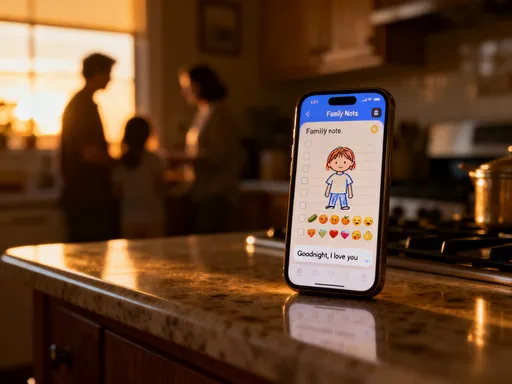
What began as a grocery list slowly grew into something much bigger: our family’s central hub. I created a new document—this time titled “Family Dashboard”—and divided it into clear sections. On the top, we have the weekly meal plan, with each day listed and meals filled in. Below that, a chore chart with names assigned. Then a calendar snapshot showing key dates: doctor visits, school events, work trips. I even added a “Family Mood Check-In” section, where each of us can write a quick note every Sunday night about how we’re feeling.
The beauty of using a collaboration app like Google Docs or Notion is that it’s flexible. You don’t need to be tech-savvy. You don’t need to design anything perfect. You just start. We use color codes—green for done, yellow for pending, red for urgent—so it’s easy to scan. We leave comments like “Can we swap Tuesday and Thursday dinners?” or “I’ll take the kids to soccer this week.” These aren’t commands; they’re conversations. And because the document saves every change, we can always look back and see who updated what and when.
One of the biggest shifts was how it changed our communication. Instead of me chasing everyone down to ask who’s doing the dishes or whether we have eggs, we just check the doc. It removed the nagging. It removed the guilt. It turned household management from a source of tension into a shared project. My kids even started adding things on their own—“Science fair due May 15” under Upcoming Deadlines, or “Need new cleats” under Shopping. It wasn’t just functional; it felt like we were building something together.
Syncing Schedules Without the Stress
Before we had a shared system, scheduling felt like a game of whack-a-mole. You’d fix one conflict only to discover another. I once booked a work trip without realizing it overlapped with my son’s school play. I didn’t find out until the morning of the trip, when my daughter asked, “Wait, you’re not coming to Jack’s performance?” My heart sank. I had to reschedule everything, and even then, I missed most of it. That moment stayed with me. It wasn’t about the trip—it was about letting my kid down because of poor planning.
Now, we link our shared calendar directly into our Family Dashboard. Every Sunday, we spend 15 minutes reviewing the week ahead. We add work meetings, school events, extracurriculars, and even personal time—yes, self-care is on the calendar too. The app shows overlapping events in different colors, so it’s easy to spot conflicts. We set up automatic reminders: “Dance recital – 2 days before,” “Vet appointment – 1 hour before.” Everyone gets notified, so no one’s caught off guard.
It’s not just about avoiding disasters. It’s about respect. When my daughter sees that I’ve blocked off time to watch her gymnastics meet, she feels valued. When my partner knows I’m not scheduling anything during his coaching hours, he feels supported. This system doesn’t make us perfect, but it makes us considerate. It turns scheduling from a source of stress into an act of care. And honestly? It’s made us better listeners. We’re not just managing time—we’re honoring each other’s lives.
Raising Kids Who Understand Responsibility
One of the most unexpected benefits has been how this system helped my kids grow. I used to nag—constantly. “Did you finish your homework?” “Don’t forget your gym clothes.” “When are you cleaning your room?” It wasn’t working. They tuned me out. But when I gave them access to the shared document and showed them how to update their own sections, something shifted.
I created a “Kids’ Tracker” section with three columns: Task, Due Date, Status. I added their homework, chores, and extracurriculars. At first, I filled it in. Then, I asked them to start updating it themselves. I’d leave gentle comments: “Math worksheet due tomorrow!” or “Great job on the science project—don’t forget to bring it in!” It wasn’t a lecture. It wasn’t a reminder shouted from the kitchen. It was a quiet nudge, right where the information lived.
Over time, they started taking ownership. My son began marking things as “Done” before I even asked. My daughter started adding her own deadlines after school. They learned to check the document before asking, “What’s for dinner?” or “Do I have soccer today?” It wasn’t magic—it took time and consistency. But the shift was real. They weren’t just following rules; they were learning responsibility in a way that felt safe and supported. And I wasn’t the villain anymore. I was the helper.
Preserving Peace, One Edit at a Time
The biggest change hasn’t been in our schedules—it’s been in our home’s atmosphere. We laugh more. We argue less. We’re not perfect, but we’re calmer. When a conflict comes up, instead of pointing fingers, we say, “Let’s check the doc.” Was the trash supposed to be out Tuesday or Wednesday? Did we agree to volunteer at the bake sale? The document isn’t a judge—it’s a witness. It removes the “you said, I said” and replaces it with clarity.
I’ve noticed we make more eye contact at dinner. We’re not distracted by mental to-do lists. We’re present. We talk about our days, our hopes, our silly jokes. We have space to connect because we’re not drowning in logistics. That’s the real gift of this system: it doesn’t just organize our time—it protects our peace.
And when things go wrong—and they do—we handle them with more grace. Last week, my daughter forgot her library book. Instead of getting upset, I said, “Let’s add a reminder in the doc for next time.” We did. It wasn’t a failure; it was feedback. That’s the mindset shift: we’re not aiming for perfection. We’re building a system that helps us grow together, one small edit at a time.
Making It Your Own: Simple Steps to Start Today
If you’re feeling overwhelmed by the chaos, I want you to know: you don’t need a fancy app or a tech degree. You just need one shared document and the willingness to try. Start small. Pick one area—meals, chores, or schedules—and create a simple list. Use Google Docs, Notion, or even Microsoft OneNote. Invite your family members to view or edit. Show them how to add items or check things off.
Don’t worry about making it perfect. Ours was messy at first. We had too many sections, unclear labels, and random notes in the margins. That’s okay. The goal isn’t beauty—it’s function. Over time, you’ll learn what works for your family. Maybe you’ll add a “Family Wins” section to celebrate small victories. Maybe you’ll use emojis to make it fun. Maybe you’ll print a weekly snapshot and put it on the fridge. Adapt it. Own it.
The most important thing? Start together. Sit down as a family, even for ten minutes, and set it up. Let everyone contribute. Let your kids pick a color. Let your partner suggest a section. This isn’t just your system—it’s yours. And when you see the first win—a grocery run with no forgotten items, a schedule conflict avoided, a child who remembers their homework without being asked—celebrate it. Because that’s not just efficiency. That’s connection. That’s peace. That’s the life you’ve been trying to build, one shared edit at a time.