More Than Just a Bin: How Smart Trash Cans Helped Me Connect With My Family Again
Living at home used to mean constant little tensions—someone forgot to take out the trash, the kitchen smelled, and suddenly a small annoyance turned into a family argument. I never thought a trash can could change that. But when I brought a smart trash bin into our home, something shifted. It wasn’t just about convenience—it quietly reshaped how we communicate, share responsibilities, and even laugh together. This is how a simple upgrade helped us reconnect in ways I never expected.
The Last Straw: When a Full Trash Can Sparked a Family Tension
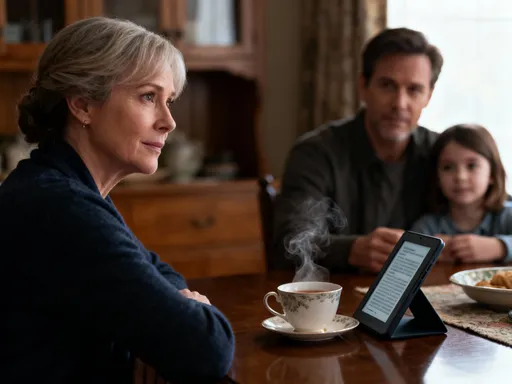
It was a Wednesday evening, and I’d just walked in after a long day at work. The house was quiet, but the moment I stepped into the kitchen, I was hit with that familiar sour smell—something had been sitting in the trash too long. I opened the bin and found it overflowing, a soggy paper towel dangling over the edge. My stomach dropped. I knew this smell meant more than just a mess; it meant someone had dropped the ball. Again.
I didn’t mean to snap, but I did. I called out, 'Who forgot to take it out?' My younger brother, lounging on the couch, muttered, 'I thought Mom did it.' Mom, who was folding laundry upstairs, shouted back, 'I took it out two days ago!' Suddenly, we were all caught in a cycle of blame, each of us feeling unfairly targeted. The conversation spiraled from there—accusations, eye rolls, a slammed cupboard door. All over trash.
Later that night, I sat on my bed, exhausted not from work, but from the emotional drain of that argument. I realized how often these moments happened—tiny frustrations about chores, forgotten tasks, little things left undone. They seemed minor in isolation, but over time, they piled up like unemptied garbage. And each time, the tension chipped away at our connection. We weren’t angry with each other; we were just tired of the friction. I started wondering: what if we could remove some of those small stressors? What if a simple change in our routine—or our tools—could make a difference?
A Tiny Upgrade with Unexpected Emotional Payoff
That’s when I started looking into smart trash cans. At first, I’ll admit, it sounded a little over the top. A high-tech trash can? Really? But the more I read, the more it made sense. These weren’t just fancy bins—they were designed to solve real, everyday problems. Automatic lid opening, odor sealing, full-bin alerts—features that sounded small but promised to eliminate the very things that caused friction in our home.
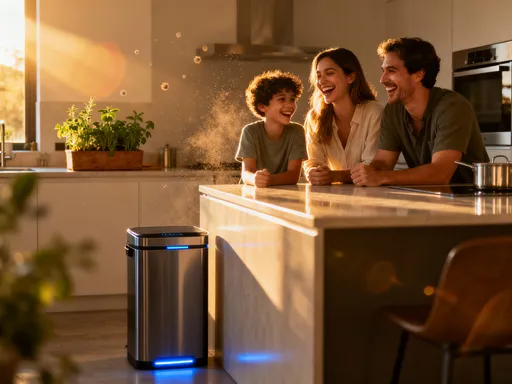
I finally ordered one. When it arrived, I set it up in the kitchen, following the simple instructions. It connected to our home Wi-Fi, synced with an app, and within minutes, it was ready to go. The first thing I noticed was how quiet it was—no loud motor, no clunky lid. When I walked near it, the lid opened smoothly, like it was greeting me. And when I tossed something in, it sealed the bag automatically, locking in any smell before it could escape.
The real shift came a few days later. The bin sent a notification to our family group chat: 'Trash is 80% full.' No one had to ask, no one had to guess. There was no room for denial or passive-aggressive sticky notes on the fridge. The bin had done the reminding. And when my brother saw the alert, he just said, 'I’ve got it,' and took it out without a word. No drama. No resentment. Just action. That small moment felt like a win—not because the trash was gone, but because peace was restored.
I began to realize that the emotional payoff was bigger than the convenience. The bin wasn’t just managing waste; it was managing tension. By removing the guesswork and blame, it created space for kindness. We weren’t walking on eggshells anymore, waiting for the next chore-related explosion. Instead, we could just… breathe.
How a Trash Can Became a Team Player in Our Home
One of the most surprising things about the smart trash can was how quickly it became part of our family rhythm. It wasn’t just a gadget—it felt like a quiet member of the household, doing its part. The app sent gentle reminders when the bin was full, and we all had access to it. My dad, who still texts in all caps and thinks emojis are 'those little pictures,' figured out how to check the app in less than a week.
What really brought us together was the shared responsibility. Before, chores felt like a guessing game—who was supposed to do what and when? But now, the bin made it clear. When the sensor detected it was nearly full, it sent a notification to everyone. No more 'I didn’t know it was full' or 'I thought you took it out.' The system was neutral, fair, and impossible to ignore.
My mom, who’s always been the unofficial chore coordinator, made a joke one evening: 'Even the trash is nagging us now.' We all laughed, but there was truth in it. The bin wasn’t blaming anyone; it was simply helping us stay on track. And because it removed the emotional charge from the task, we could talk about it without tension. My brother even started competing with my cousin to see who could take it out first after an alert. It became a silly little game, but it showed how a chore could shift from a burden to a shared moment.
There was something comforting about knowing we all had the same information, the same cues. It leveled the playing field. No one felt picked on. No one felt overlooked. We were all in it together, guided by a little device that asked for nothing but did so much.
Design That Fits Real Life, Not a Lab
One of my biggest concerns before buying the smart trash can was whether it would actually work for everyone in the house. My dad isn’t tech-savvy, my niece is seven, and my aunt visits often and doesn’t like 'fiddling with gadgets.' I didn’t want something that only I could use. But what impressed me most was how intuitive the design was.
The bin had multiple ways to interact with it. You could wave your hand, say a voice command like 'Open bin,' or just tap a button. The app was simple—just a few icons showing bin level, bag life, and reminders. No confusing menus, no jargon. Even my dad figured out how to check the bag refill alert on his phone. 'It tells me when we’re running low,' he said proudly. 'No more opening the cabinet and finding an empty roll.'
My niece loved the voice feature. She’d stand in front of it and say, 'Hello, Trashy!' and giggle when the lid opened. We started calling it Trashy as a family joke. It wasn’t just a bin anymore—it was part of our language, our routine, our home.
What mattered most was that the technology didn’t create a barrier. It didn’t make things more complicated or exclude anyone. Instead, it brought us together by making a daily task accessible to all of us. That’s the kind of tech I believe in—technology that doesn’t show off, but shows up. It doesn’t demand your attention; it earns your trust by being helpful, not flashy.
From Chores to Connection: Turning Duty into Dialogue
One of the most unexpected changes was how taking out the trash became a moment of connection, not dread. Before, it was just another chore to check off, something we did grudgingly. But now, it started to carry little surprises. My brother began leaving funny notes inside the bin before he took it out—'You’re trash-tastic!' or 'This bag is heavier than my emotional baggage.' We’d find them when we opened the app or saw the alert, and it became a running joke.
My niece decorated the lid with removable stickers—stars, rainbows, a smiling banana. 'So Trashy knows we love him,' she said. It was sweet, and it made the bin feel like part of the family. Even my aunt, who initially rolled her eyes at the idea, admitted, 'I like that it doesn’t stink up the kitchen anymore.'
But beyond the humor and decorations, something deeper shifted. Because the chore no longer carried resentment, we could approach it with lightness. We started talking more during these moments. My brother and I chatted while taking the bag to the curb. My mom and I discussed dinner plans as we replaced the liner. These weren’t long conversations, but they were real—little threads of connection woven into the fabric of our day.
Chores used to be something we avoided. Now, they became opportunities—to laugh, to talk, to show up for each other. The smart bin didn’t eliminate work, but it removed the weight of it. And in that space, we found room for more than just duty. We found moments of joy.
The Ripple Effect: Calmer Home, Kinder Conversations
Over time, I began to notice changes beyond the kitchen. Our home felt calmer. Arguments about small things—laundry left on the couch, dishes in the sink—became less frequent. I realized that when the little stressors are managed, you have more emotional energy for everything else.
There’s research in environmental psychology that supports this. Our surroundings influence our mood and behavior more than we think. A cluttered, smelly kitchen can subconsciously raise stress levels, making us more irritable and less patient. On the other hand, a clean, well-functioning space can promote calm and connection. By addressing one small source of chaos—the trash—we unintentionally created a more peaceful home environment.
Dinners became longer, more relaxed. We talked about our days, shared stories, even had deeper conversations about life, dreams, and challenges. My dad, who used to eat quickly and retreat to his chair, started staying at the table, asking questions. My niece told us about her school project with real excitement. These moments didn’t happen because of the trash can, but they were possible because of the calm it helped create.
It wasn’t magic. It was simple: when we weren’t drained by constant little frustrations, we had more to give each other. We were more present. More patient. More willing to listen. The smart bin didn’t fix everything, but it removed a barrier to connection. And sometimes, that’s all you need.
Why This Matters: Technology That Serves Human Needs
This experience taught me something important: the best technology isn’t the one that wows you with features, but the one that quietly supports your life. We’re surrounded by gadgets that promise to change everything—smart fridges, robot vacuums, voice assistants. But sometimes, it’s the simplest tools that make the biggest difference.
A smart trash can won’t win awards. It won’t trend on social media. But in my home, it changed how we relate to each other. It didn’t replace conversation—it made space for it. It didn’t do the emotional work for us, but it removed a small obstacle so we could do it ourselves.
I’ve started looking at technology differently now. Instead of asking, 'What can this do?' I ask, 'How can this help us live better—together?' Because that’s what matters. Not how flashy a device is, but how it helps us care for each other, share responsibilities, and find joy in the everyday.
If you’re feeling the weight of small household tensions, I don’t say you need a smart trash can. Maybe you do. Maybe you don’t. But I do say: look for tools that reduce friction, not add to it. Seek solutions that include everyone, not just the tech-lovers. And remember, the goal isn’t a perfect home—it’s a connected one.
Because sometimes, the thing that brings a family closer isn’t a grand gesture. It’s a quiet moment, a shared laugh, a trash can that knows when it’s full. And in those small things, we find what really matters—being present, being kind, being together.