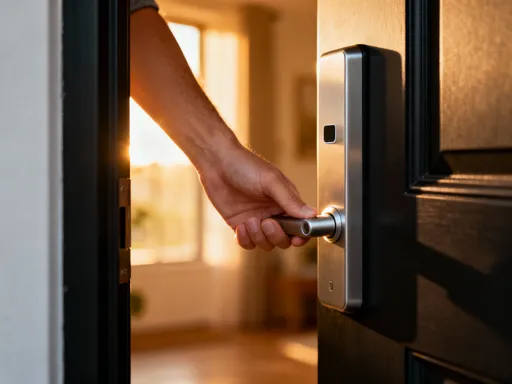
I didn’t realize my lights were talking to me — until our electric bill finally made sense
Have you ever looked at your electricity bill and felt completely out of control? I did — until I discovered how smart electricity management quietly transformed not just my home, but how I connect with my family and neighbors. It wasn’t about gadgets or tech for tech’s sake. It was about clarity, calm, and real savings that added up. This is the story of how a simple shift in how we use energy brought us closer — and how it can do the same for you.
The Moment the Bill Didn’t Shock Me Anymore
It arrived like clockwork every month — that white envelope with the bold numbers that made my stomach drop. I’d pull it out of the mailbox, glance at the total, and feel that familiar knot tighten in my chest. $247. $289. One winter, it even hit $312. I’d stare at it, confused and frustrated. How was this possible? We weren’t running a factory. We didn’t have a hot tub or a pool. We turned off lights, didn’t we? I’d ask my husband, “Did we leave the heater on in the basement again?” He’d shrug. “I don’t know. Maybe.” That sense of helplessness — not knowing where our money was going — started to wear on me. It wasn’t just about the cost. It was about feeling like I wasn’t in charge of my own home.
Then, one spring afternoon, something shifted. The bill came, and I opened it without dreading it. I actually smiled. It was $178. Not perfect, but down nearly 40% from where we’d been. I remember standing in the kitchen, holding the paper, thinking, “Wait — I understand this.” For the first time, the numbers made sense. I knew why it was lower. I knew which changes had made the difference. That moment wasn’t just about saving money. It was about reclaiming control. It was the first time I realized that technology wasn’t just for younger people or tech lovers — it could be for someone like me, someone who just wanted to feel a little more at peace in her own home.
What changed? I stopped guessing. I started seeing. I got tools that showed me exactly how energy moved through my house — not in confusing graphs or technical jargon, but in simple, human terms. It wasn’t magic. It was smart electricity management, and it started with one small decision: to stop living in the dark.
Meet the Tiny Devices That Know Your Home Better Than You Do
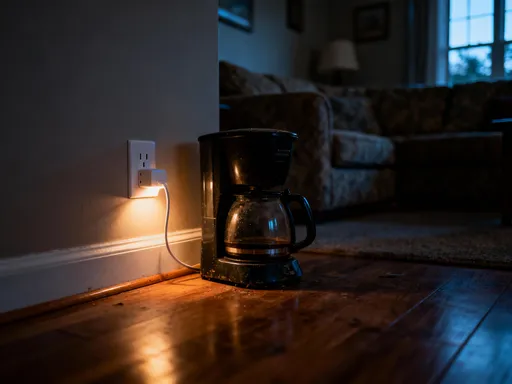
When I first heard about smart energy tools, I pictured complicated panels, blinking lights, and wires everywhere. I thought, “That’s not for me. I can barely set my thermostat.” But what I discovered was something much simpler — devices that work quietly in the background, like helpful little assistants who never complain. The first one I tried was a smart plug. I plugged it into the outlet behind my coffee maker. Then, I plugged the coffee maker into it. That’s it. No tools, no electrician, no stress. But suddenly, I could see how much power that little machine used — not just when it brewed, but all night long, sitting there on standby, quietly sipping electricity like it was sipping coffee.
I was shocked. That tiny red light on the front? It meant the machine was still on, drawing power 24 hours a day. Over a year, that added up to more than $60 — just for a light and a warming plate. I didn’t even realize it was happening. But the smart plug did. It was like having a translator for my appliances, finally letting them tell me what they were doing when I wasn’t looking.
From there, I added a whole-home energy monitor. It clips onto the wires in your electrical panel — a licensed electrician installed it for me in under an hour — and connects to an app on my phone. Now, I can see, in real time, how much power each major appliance uses. When the refrigerator kicks on, I see a little spike. When the washing machine runs, I get a notification. It’s not about micromanaging — it’s about awareness. I learned that our guest room heater, which we thought only ran when guests visited, had been turning on every night because the thermostat was set wrong. It had been running for weeks, costing us money, while the room sat empty. Once I saw it, I fixed it. Just like that.
These tools didn’t take over my life. They gave me information — clear, simple, and useful. They didn’t tell me what to do. They just showed me what was happening. And that made all the difference.
From Data to Daily Wins: Small Changes That Actually Stick
Here’s what I didn’t expect: I didn’t have to change everything. I didn’t have to become perfect. The beauty of these tools is that they help you make small, doable changes — the kind that actually stick because they don’t feel like sacrifices. For example, I started getting alerts when something used too much power. One night, my phone buzzed: “High energy use detected in the living room.” I walked in, and sure enough, the TV was on, the soundbar was blasting, and no one was even in the room. My teenager had walked away mid-show. I sent a quick text: “You left the theater on!” She laughed and turned it off from her phone. No yelling. No nagging. Just a gentle nudge — from the house, not me.
That became our rhythm. Instead of me policing the house, the technology did the reminding. And over time, we all became more aware. I started looking at the weekly report the app sent — kind of like a progress snapshot. One week, we were down 12% from the week before. Another week, we dipped below our monthly goal. It didn’t feel like a chore. It felt like a quiet win. I’d mention it at dinner: “Hey, we saved enough this week to cover movie night.” And suddenly, saving energy wasn’t about deprivation — it was about earning something we valued.
I also discovered that some of our biggest energy users weren’t the obvious ones. Our old desktop computer, which we left on “sleep” mode, was using more power than our microwave. Our printer, sitting on a shelf, drew a small but constant trickle. Once I saw it, I moved them to a smart power strip. Now, with one tap, I can cut power to all of them at once. It takes two seconds, and it saves us money every single day.
The real change wasn’t just in our usage — it was in how I felt. I stopped feeling guilty. I started feeling capable. I wasn’t fighting against my home. I was working with it. And that shift — from guilt to curiosity — made all the difference.
How Saving Power Became a Family Conversation
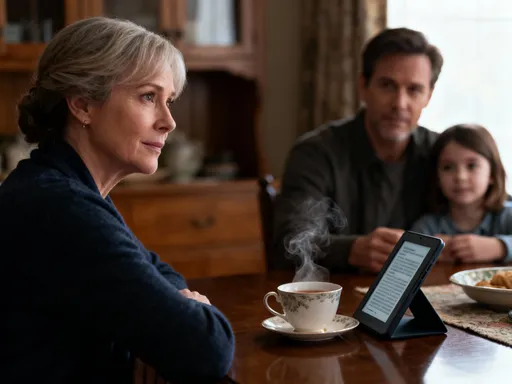
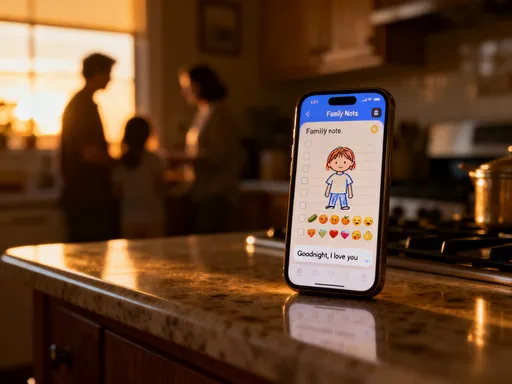
I’ll never forget the night my daughter said, “Mom, can I check the energy app?” She was 14, and until then, she’d barely noticed our electricity bill. But one evening, she saw me looking at the screen and asked what the colored bars meant. I explained how the blue was heating, the green was appliances, the yellow was lighting. She got curious. The next day, she asked if she could try to lower her bedroom’s usage. I showed her how to see her real-time use. She started turning off her desk lamp when she left, unplugging her charger, even closing the blinds to keep the room cooler in summer.
Then, something beautiful happened. It became a quiet challenge between her and her brother. “I used less than you this week,” he’d say at breakfast. “No way! Let me check the app!” They weren’t fighting. They were proud. They started making their own changes — asking to switch to LED bulbs, suggesting we air-dry clothes on low-energy days. What I thought would be a chore became a shared project. We started having “energy check-ins” at dinner — not every night, but enough to keep it alive. “What’s one thing we did well this week?” “What could we try differently?”
These conversations weren’t just about saving power. They were about responsibility. About caring for our home. About being part of something bigger. I saw my kids becoming more thoughtful, more aware of how their choices affected the family. And I realized — this wasn’t me teaching them. It was us learning together. The technology didn’t replace parenting. It created space for new kinds of conversations — calm, connected, and full of quiet pride.
The Ripple Effect: Neighbors Who Noticed and Asked How
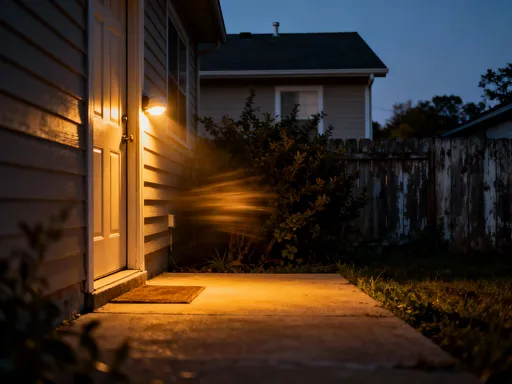
One Saturday morning, I was watering the front garden when my neighbor, Linda, called over the fence. “Hey, I’ve been meaning to ask — how do you get your porch light to turn off so perfectly at night? It’s never on too early or too late. It just… works.” I smiled. I had a smart outdoor plug connected to a motion sensor and a timer. It turned on at dusk, off at midnight, and only when someone was near. But I didn’t start with the tech. I said, “Honestly? I used to forget it on all the time. Then I got tired of wasting power — and money. This little thing fixed it.”
She leaned in. “Really? Is it hard to set up?” I showed her the app on my phone. She pulled out hers, took a picture of the product name, and said, “I’m getting one this afternoon.” That tiny conversation sparked something. A week later, she told me she’d cut her outdoor lighting costs by 60%. Then she mentioned it to another neighbor. Soon, we were swapping tips — not in a formal group, but in those little moments between gardening, walking dogs, or waiting for school pickup.
Someone shared how they used a smart thermostat to adjust the heat when no one was home. Another talked about solar-powered garden lights. It wasn’t about competition. It was about connection. We weren’t just saving energy — we were sharing solutions, supporting each other, feeling like we were part of a community that cared. And it all started because a porch light turned off at the right time.
That’s the thing about smart electricity tools — they don’t just change your home. They change how you show up in the world. You become calmer, more confident, more willing to share what works. And when others see that peace, they want to know your secret. Sometimes, the most powerful tech isn’t the flashiest. It’s the one that helps you live with a little more ease — and inspires others to do the same.
Learning, Growing, and Letting Go of Guilt
I’ll be honest — I used to feel guilty about wasting energy. I’d see news stories about climate change and think, “I should be doing more.” But not knowing where to start made me freeze. I’d try turning off lights, then forget. I’d unplug one thing and miss ten others. The guilt built up, and eventually, I’d give up. I thought I had to be perfect — or not try at all.
What these tools taught me was different. They taught me that progress matters more than perfection. One week, we left the oven on after baking cookies. The app showed a spike. Instead of scolding myself, I thought, “Okay, what can I learn?” I realized we needed a reminder — so I set a timer on the oven and added a note on the fridge. Small fix. Big difference.
Another time, our usage went up for three days straight. I checked the data and saw the HVAC was running more than usual. I called a technician. Turns out, the filter was clogged. Fixing it didn’t just lower our bill — it made the house more comfortable. The tools didn’t just show waste. They helped me care for my home better.
Over time, I stopped seeing energy as an enemy — something to fight or fear. I started seeing it as a part of our daily rhythm, like water or food. Something to respect, not dread. I became more patient with myself. More curious. More willing to try, fail, and try again. That shift — from guilt to growth — changed more than my electricity use. It changed how I see myself. I’m not perfect. But I’m learning. And that’s enough.
More Than Savings: A Calmer, Closer, Clearer Life
When I look back, I realize this journey wasn’t really about the lights, the plugs, or the apps. It was about peace. About walking into my home and feeling like I understand it. About looking at the bill and not flinching. About sharing quiet wins with my family and connecting with my neighbors in new ways.
The money we’ve saved — over $900 in the first year — is real, and it matters. We put it toward a family vacation, some home repairs, and a little extra in savings. But the deeper rewards are harder to measure. I feel more in control. My kids feel more involved. Our home feels more intentional. We’re not just living here — we’re paying attention.
Smart electricity management didn’t turn me into a tech expert. It turned me into a more mindful person. It gave me tools that don’t just track power — they help me live with more clarity, care, and connection. And if you’re standing in your kitchen, staring at that bill, feeling overwhelmed — I want you to know: you don’t have to do everything. You just have to start somewhere. Pick one outlet. One room. One habit. Let the technology do the heavy lifting. Let it show you what’s possible.
Because when you can see your energy, you can shape your life. And sometimes, the quietest tools — the ones that just help your lights talk to you — can lead to the loudest changes of all.